The Growing Likelihood of Major Disruptions to U.S. Power & Communications

New Title

Power line silhouette with text:

Executive Summary

Open-source government testimony and credible reporting now establish:


  1. clear adversary intent to disrupt U.S. critical infrastructure in a crisis,
  2. documented pre-positioning of access in U.S. networks, and
  3. well-understood physical choke points—notably large power transformers and subsea/space communications—that could extend outages beyond normal restoration timelines.


While a continental, months-long blackout remains unlikely under routine conditions, the risk of deliberate, regional, multi-sector disruptions—especially amid a U.S.–PRC confrontation—has risen from theoretical to credible and time-bounded likely.


1) Intent & Strategic Context

FBI testimony:  On January 31, 2024, FBI Director Christopher Wray told Congress that PRC hackers are targeting U.S. critical infrastructure (electric power, water, oil & gas, transportation) and are “positioning” themselves to cause real-world harm at a time of their choosing.


Public advisories: U.S. and allied agencies have publicly attributed long-running, state-sponsored activity (“Volt Typhoon”) to China, noting stealthy “living-off-the-land” techniques and compromises in U.S. critical-infrastructure environments.


These advisories explicitly frame the activity as pre-positioning for potential disruptive effects.


Press confirmations:  Senior officials have reiterated that the accesses could be triggered to deter or punish U.S. action—e.g., in a Taiwan contingency—placing disruption of domestic infrastructure within the expected playbook.


Bottom line: Motivation and intent are now on the record. The question has shifted from “could adversaries try?” to “when and how extensively might they try?”


2) Capabilities & Pathways to Real-World Impact


2.1 Cyber → Physical Effects on the Grid

Demonstrated feasibility (INL “Aurora”): U.S. labs proved a remote control-sequence could physically damage rotating equipment by out-of-phase switching—a cyberattack producing destructive, mechanical failure.


Operational precedent (Ukraine): Purpose-built ICS malware (e.g., CRASHOVERRIDE/Industroyer) has de-energized substations and automated disruptive switching. Analysts assess such tools could create hours to days of outages and be re-used at multiple sites.

Implication: With prior access and system knowledge, time-bounded but acute grid disruptions are technically feasible.


2.2 Physical Attacks on Substations

The 2022 Moore County, NC incident and similar shootings exposed the ease of disabling equipment and prompted a FERC review of physical-security standards.


Implication: Low-tech physical attacks can amplify cyber campaigns or strain restoration resources regionally.


2.3 Chokepoint Components: Large Power Transformers (LPTs)

Federal/industry reporting describes severe LPT supply constraints: 80–210-week lead times are now typical, making simultaneous losses at key nodes long-tail risks even after partial service returns.


Implication: Destroying or disabling even a small number of strategically located LPTs could extend restoration from days into months for full capacity.


2.4 Communications Targets (Space & Subsea)

Space segment:  The Viasat KA-SAT attack (2022) disrupted tens of thousands of satellite modems across Europe in the opening hours of a major war—an empirical example of civilian comms degradation via cyber means.

Subsea cables: Think tanks and commercial threat intelligence report a rising risk of state-backed interference with undersea internet cables. Taiwan has recorded multiple cable disruptions, and recent analyses warn of escalating threat activity tied to Russia and China.


Implication: Targeted communications outages—via satellite networks or subsea cables—can magnify grid incidents by degrading operator coordination, situational awareness, and public communications.


3) The Baseline System Risk (Before Adversary Action)

NERC assessments repeatedly flag elevated seasonal reliability risks in multiple regions as load growth, changing resource mixes, and extreme weather stress the system; Senate testimony in 2025 probed how demand growth and generation/transmission constraints affect adequacy. These are not predictions of collapse, but narrower operating margins create more opportunities for adversaries to tip systems into controlled outages or load-shedding.


4) Likelihood Assessment

Peacetime (next 6–12 months):

Deliberate, regional disruptions (power and/or communications) via cyber or blended cyber-physical means: plausible, especially during seasonal peaks or severe weather.

Nationwide, prolonged (weeks–months) blackout: unlikely, but not inconceivable if multiple high-value assets were destroyed, given LPT lead times.


Crisis (e.g., Taiwan war):

Government testimony and advisories imply activation of pre-positioned accesses to deter U.S. action, making multi-state, time-bounded disruptions more likely, along with comms degradation (satellite/subsea).


Key inference:  The probability distribution has shifted from “rare theoretical” to “credible, targeted, and repeatable” regional events—while true national-scale collapse remains a low-probability, high-impact tail risk.


5) Consequence Framing

Even short-duration regional outages can create outsized, cross-sector effects:

  • Fuel logistics (pipelines, terminals), water treatment, 911/healthcare comms, rail/port operations, and public information flows degrade quickly.
  • Where LPTs or major interties are lost, capacity constraints can persist for months, prolonging rationing or rotating outages even after an initial restoration.


6) Recommendations


6.1 Federal & Sector Policy

Accelerate detection/eviction of pre-positioned accesses in ICS/OT (expand joint hunt forward, mandatory incident reporting with safe harbor).


Harden substation physics and relays against Aurora-style switching abuse; verify protective-relay settings and out-of-phase protections; exercise black-start under degraded comms.


Mitigate LPT bottleneck: stand up an LPT strategic reserve and domestic surge capacity; prioritize spares for high-value nodes; streamline transport waivers.


Protect comms dependencies: require diverse paths (terrestrial + satellite + microwave), fund rapid cable repair capacity, and expand monitoring of subsea infrastructure with allies.


Exercise multi-sector incident playbooks (power, telecom, water, fuel) for blended attacks and public-warning strategies that assume intermittent connectivity.


6.2 State/Local/Utility Operators

Seasonal surge readiness: align with NERC seasonal risks; rehearse load-shedding + comms-loss scenarios; pre-stage mobile generation for water/health.


Substation hardening: ballistic protection at selected sites, rapid-response contracts, and mutual-aid compacts that include comms assets.


Spare-part realism: validate on-hand spares for breakers/relays; map LPT dependencies and identify temporary bypass options.


6.3 Private-Sector & Community Preparedness

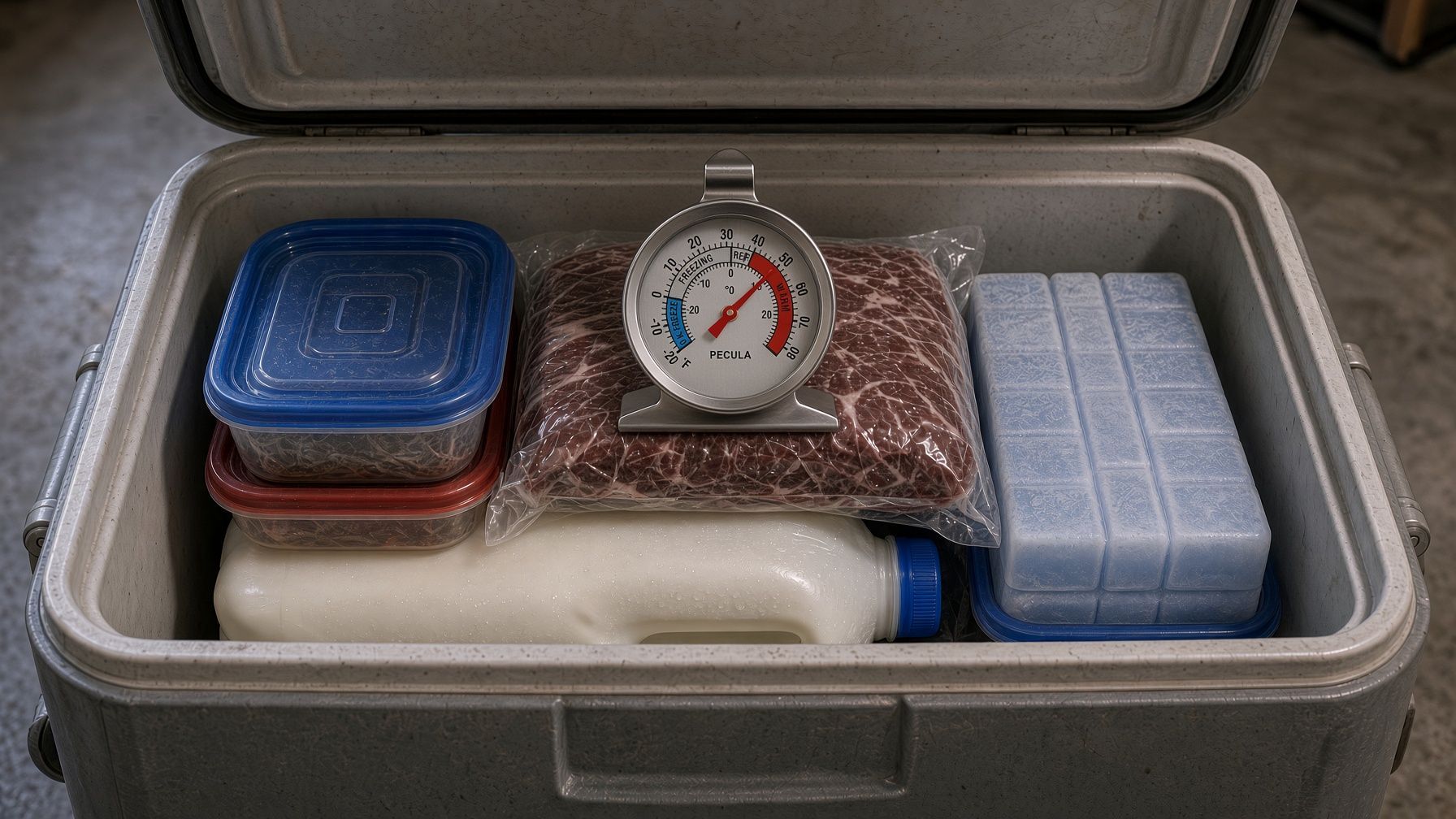
Continuity for 2–6 weeks of rolling disruption: water, heat, lighting, comms redundancy (AM/FM/NOAA, ham, satellite messengers), generator safety, and fuel rotation.


Information hygiene: pre-agreed channels with employees/customers; offline contact trees for when SMS/VoIP are unstable.


Cyber hygiene in OT-adjacent firms: segment networks; monitor for “living-off-the-land” tradecraft; practice manual fallback procedures.


7) Conclusion

The public record—FBI testimony, interagency advisories on Volt Typhoon, technical demonstrations of cyber-physical impacts, LPT supply constraints, and real-world attacks on power and communications—supports a sober reassessment: adversary motivation and capability now make targeted, regional disruptions a credible near-term risk, especially in a geopolitical crisis. The prudent response is focused resilience: accelerate detection and hardening, fix known bottlenecks, diversify communications, and exercise restoration under contested conditions. Doing so narrows the attacker’s payoff and shortens the tail of any disruption.


References (selected, open-source)

FBI Director Wray opening statement to the House Select Committee on the CCP (Jan 31, 2024).


CISA & partners advisories on PRC state-sponsored activity (Volt Typhoon) and living-off-the-land tradecraft (2023–2024).


INL “Aurora” cyber-physical destruction demonstration (background).


CRASHOVERRIDE/Industroyer alerts and analysis (CISA; Dragos).


NERC reliability assessments (seasonal/State of Reliability).


NIAC (draft) report on LPT shortages and lead times (80–210 weeks).


Moore County substation attack coverage & FERC physical-security review prompt.


Viasat KA-SAT cyberattack reporting and analysis (CSIS; CCDCOE).


Subsea cable risk (Recorded Future; Reuters/Baltic & Taiwan incidents; CSIS policy analysis).


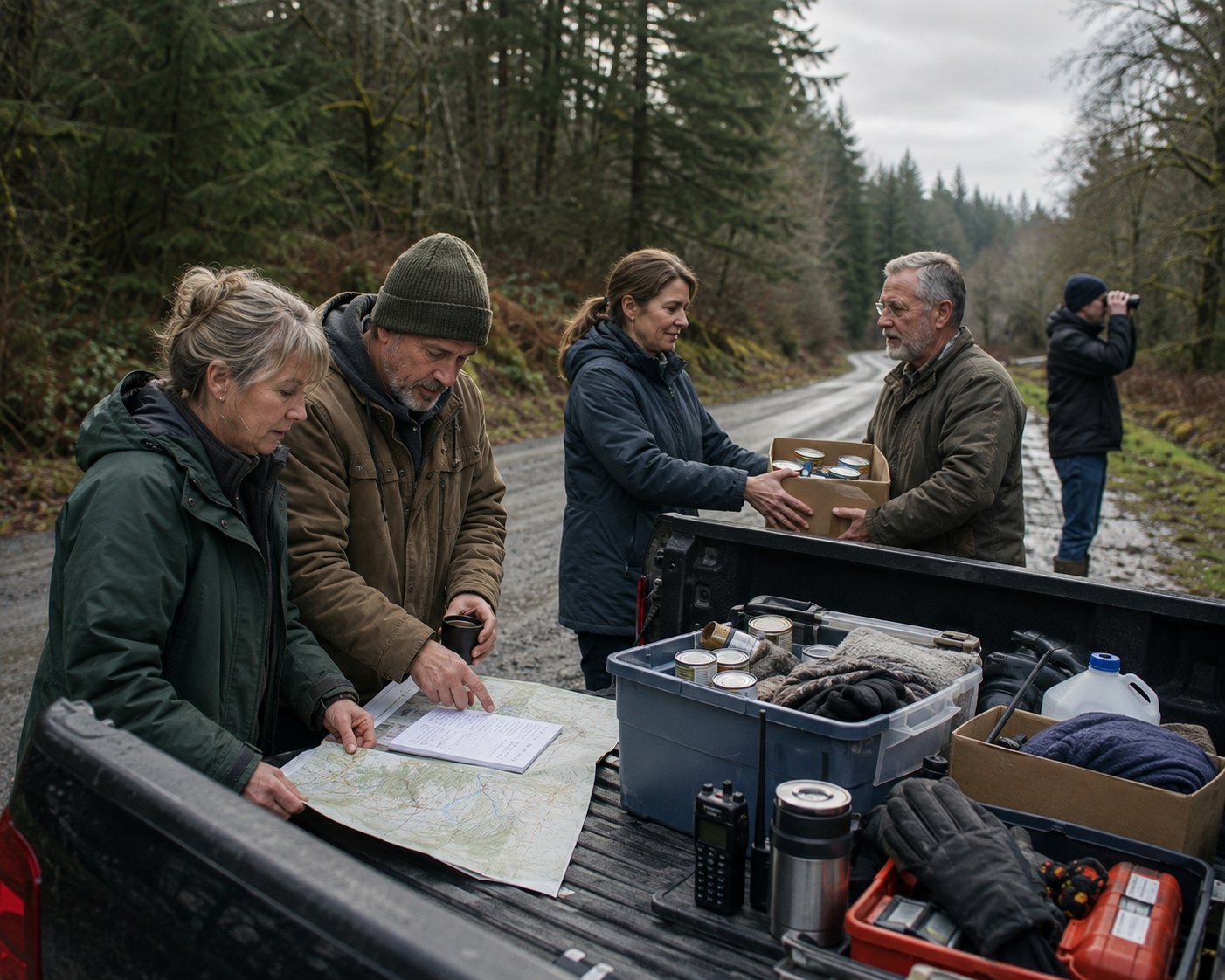
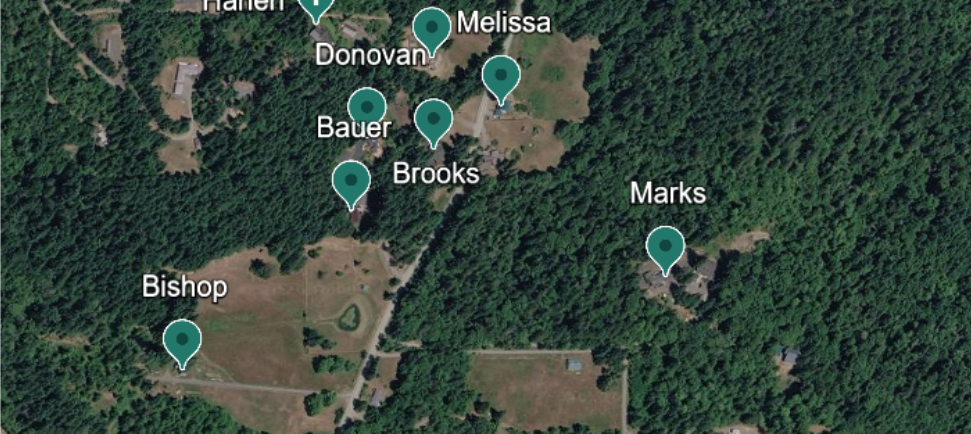
Preparedness is only the beginning. The Ridge Plan explores what happens when stored supplies are no longer enough—and ordinary neighbors must turn preparation into decisions, trust, and survival.

Mountain House Beef Potato Hash
By R.T. Fagan September 6, 2026
Serves 2 · ≈1,000 cal each Ingredients 2 servings Mountain House diced beef, rehydrated 3 cups rehydrated Augason Farms potato shreds or slices 4 Tbsp vegetable oil or olive oil ½ cup rehydrated Augason Farms spinach flakes ½ cup rehydrated diced carrots 5 garlic cloves, minced Smoked paprika, cumin, salt, black pepper Method Heat oil in a cast-iron skillet over the coals. Add potatoes in a single layer. Let them crisp before stirring. Add garlic, beef, carrots, and spices. Cook 5–6 minutes. Fold in spinach at the end so it wilts into the hash. Nutrition (full meal / per person) Calories: ≈2,010 / 1,005 Protein: ≈66 g / 33 g Carbs: ≈160 g / 80 g Fiber: ≈14 g / 7 g Significant vitamins/minerals: Protein, iron and zinc (beef), potassium (potatoes), vitamin A and C (carrots/spinach), calorie-dense oil More recipes and additional bonus material can be found at https://www.griddownfiction.com/bonus-material
Fire-Pot Ramen with Chicken, Egg & Broccoli
By R.T. Fagan September 5, 2026
Serves 2 · ≈1,000 cal each Ingredients 6 bricks Top Ramen (seasoning packets optional / use sparingly) 2 cans canned chicken, drained 2 servings powdered eggs, rehydrated and scrambled 4 Tbsp vegetable oil 1 cup rehydrated Augason Farms broccoli florets 4 garlic cloves, minced Broth if available, chili flakes, black pepper, optional soy sauce Method Cook ramen in a pot over the fire until just tender. Drain most of the water, leave a little. In a skillet, heat oil. Sauté garlic, then scramble the powdered eggs and set aside. Add chicken and broccoli to the oil. Heat through. Combine noodles, eggs, chicken, and broccoli. Toss with remaining oil. Season. Nutrition (full meal / per person) Calories: ≈2,030 / 1,015 Protein: ≈68 g / 34 g Carbs: ≈195 g / 98 g Fiber: ≈10 g / 5 g Significant vitamins/minerals: Protein from chicken and eggs, vitamin C and K (broccoli), B-vitamins (noodles), fats from oil for calorie density More recipes and additional bonus material can be found at Https://www.griddownfiction.com/bonus-material
Creamed Corn Chicken & Rice Skillet
By R.T. Fagan September 4, 2026
Serves 2 · ≈1,000 cal each Ingredients 2 cans canned chicken, drained 3 cups cooked brown or white rice 1 can cream corn 4 Tbsp extra-virgin olive oil or vegetable oil ½ cup rehydrated Augason Farms broccoli florets 4 garlic cloves, minced Salt, black pepper, paprika, dried thyme Method Heat oil in a large skillet over the fire. Sauté garlic 30 seconds. Add chicken and broccoli. Cook 2 minutes. Stir in cream corn and rice. Simmer until thick, creamy, and hot. Adjust seasoning. Nutrition (full meal / per person) Calories: ≈2,000 / 1,000 Protein: ≈70 g / 35 g Carbs: ≈180 g / 90 g Fiber: ≈12 g / 6 g Significant vitamins/minerals: High protein and niacin (chicken), vitamin C (broccoli), B-vitamins (rice), vitamin A (corn), calorie-dense oil 
Black Bean Burger Skillet with Corn & Potatoes
By R.T. Fagan September 3, 2026
Serves 2 · ≈1,000 cal each Ingredients 2 servings Augason Farms black bean burger (prepared per package) 2 cups cooked or rehydrated Augason Farms potato slices or shreds 1 cup kernel corn or cream corn 4 Tbsp extra-virgin olive oil or vegetable oil ¼ cup Augason Farms cheese blend powder ½ cup rehydrated spinach flakes (optional) 4 garlic cloves, cumin, smoked paprika, chili powder, salt Method Heat oil in a cast-iron skillet over medium coals. Brown the black bean burger mix, breaking it into crumbles. Add garlic, spices, potatoes, and corn. Cook 6–8 minutes, stirring so the potatoes crisp on the edges. Sprinkle cheese powder and fold in spinach. Heat until the cheese melts into the skillet. Nutrition (full meal / per person) Calories: ≈2,000 / 1,000 Protein: ≈58 g / 29 g Carbs: ≈200 g / 100 g Fiber: ≈28 g / 14 g Significant vitamins/minerals: High fiber and folate (black beans), potassium (potatoes), vitamin A (corn/spinach), calcium (cheese powder), healthy fats from oil More recipes and additional bonus material can be found at https://www.griddownfiction.com/bonus-material
Baked Bean, Green Bean & Chicken Garlic Skillet
By R.T. Fagan September 1, 2026
Serves 2 · ≈1,000 cal each Ingredients 2 cans baked beans 1–2 cans canned chicken, drained 1 can cut green beans, drained 4 Tbsp extra-virgin olive oil 5 garlic cloves, minced 1 cup cooked rice (optional stretcher if you want extra bulk) Smoked paprika, black pepper, chili flakes, salt Method Heat olive oil in a deep skillet or Dutch oven over the fire. Sauté garlic 30 seconds. Add chicken and green beans. Heat 2 minutes. Stir in baked beans. Simmer until thick and bubbling. Fold in rice if using. Taste and add heat.  Nutrition (full meal / per person) Calories: ≈2,000 / 1,000 Protein: ≈72 g / 36 g Carbs: ≈175 g / 88 g Fiber: ≈24 g / 12 g Significant vitamins/minerals: High fiber (baked beans), protein (chicken + beans), vitamin K and C (green beans), lycopene if sauce is tomato-based, healthy fats from olive oil More recipes and additional bonus material can be found at https://www.griddownfiction.com/bonus-material
minced Clam Garlic Tomato Pasta
By R.T. Fagan September 1, 2026
Serves 2 · ≈1,000 cal each Ingredients 12 oz dry pasta 2 cans minced clams, drained (reserve a little liquid) 1½ cups tomato sauce or tomato chunks & garlic 5 Tbsp extra-virgin olive oil 1 cup rehydrated Augason Farms spinach flakes or broccoli 6 garlic cloves, minced Salt, black pepper, red pepper flakes, dried oregano Method Boil pasta in salted water over the fire. Drain, save ½ cup pasta water. In a skillet, heat olive oil. Sauté garlic 30 seconds. Add tomato sauce, clams, reserved clam liquid, and greens. Simmer 3–4 minutes. Toss in pasta and a splash of pasta water until glossy. Season well. Nutrition (full meal / per person) Calories: ≈2,010 / 1,005 Protein: ≈64 g / 32 g Carbs: ≈185 g / 92 g Fiber: ≈16 g / 8 g Significant vitamins/minerals: Iron, B12 and selenium (clams), lycopene and vitamin A (tomato), vitamin K/C (greens), monounsaturated fats and vitamin E (olive oil) More recipes and additional bonus material can be found at https://www.griddownfiction.com/bonus-material
Pulled Pork Pineapple Fried Rice
By R.T. Fagan September 1, 2026
Serves 2 · ≈1,000 cal each Ingredients 2 cans pulled pork, drained 4 cups cooked jasmine or long-grain rice (day-old best) 1 can pineapple chunks, drained (reserve 2 Tbsp juice) 5 Tbsp coconut oil or vegetable oil 1 cup rehydrated Augason Farms diced carrots or veg medley 6 garlic cloves, minced Salt, black pepper, chili flakes, optional soy sauce Method Heat 3 Tbsp oil in a wok or cast-iron skillet over the open fire. Add garlic and flash-fry 20 seconds. Add rice and break up clumps. Fry 3–4 minutes until it picks up color. Stir in pulled pork, pineapple, reserved juice, and vegetables. Add remaining oil. Cook until hot and slightly caramelized. Season hard. Nutrition (full meal / per person) Calories: ≈2,020 / 1,010 Protein: ≈62 g / 31 g Carbs: ≈190 g / 95 g Fiber: ≈12 g / 6 g Significant vitamins/minerals: Vitamin C (pineapple/carrots), B-vitamins and iron (pork + rice), vitamin A (carrots), calorie-dense fats from oil More recipes and additional bonus material can be found at https://www.griddownfiction.com/bonus-material
Black cast-iron pot of bubbling stew over an open flame with a golden crust on top
By R.T. Fagan August 21, 2026
Serves 2 · ≈1,000 cal each Ingredients 2 cans chili con carne with beans 1 box or package corn bread mix (prepared with water + 2 Tbsp vegetable or olive oil) 3 Tbsp extra-virgin olive oil 1 cup rehydrated kernel corn 4 garlic cloves, extra chili powder, cumin, salt Method Heat olive oil in a Dutch oven or deep cast-iron skillet over the open fire. Sauté garlic. Add chili + corn; simmer 5 minutes. Prepare cornbread batter (add oil for richness). Pour batter over the chili. Cover tightly and cook over low coals or with coals on the lid until the cornbread is set and golden.  Nutrition (full meal / per person) Calories: ≈2,020 / 1,010 Protein: ≈55 g / 27 g Carbs: ≈230 g / 115 g Fiber: ≈25 g / 12 g Significant vitamins/minerals: High fiber & protein (chili/beans), vitamin A & lycopene, healthy fats (olive + vegetable oil), iron
A pot of bubbling fruit dessert cooking over an open campfire, with steam rising and flames below.
By R.T. Fagan August 21, 2026
Serves 2 · ≈1,000 cal each Ingredients 3 cups dry oatmeal 4 Tbsp peanut butter 3 Tbsp coconut oil ½ cup raisins + ½ cup rehydrated Augason Farms mixed fruit / blueberries / sliced apples 2 Tbsp honey or maple syrup Pinch salt, cinnamon, optional powdered milk for creaminess Method Cook oatmeal in water (or reconstituted milk) in a pot over the open fire until thick. Stir in coconut oil and peanut butter until melted and creamy. Fold in fruit and raisins. Sweeten and spice. Serve hot from the fire.  Nutrition (full meal / per person) Calories: ≈2,000 / 1,000 Protein: ≈50 g / 25 g Carbs: ≈220 g / 110 g Fiber: ≈28 g / 14 g Significant vitamins/minerals: High healthy fats & vitamin E (peanut butter + coconut), potassium & antioxidants (fruit/raisins), sustained energy from complex carbs + soluble fiber
Black cast-iron pot simmering over flames, filled with dark stew and chunks of vegetables.
By R.T. Fagan August 21, 2026
Serves 2 · ≈1,000 cal each Ingredients 1 cup dry Clear Creek red lentils 1 can (or 2 cups) black beans 1–2 servings Mountain House diced beef (rehydrated) 4 Tbsp coconut oil 1 cup rehydrated Augason Farms potato shreds or slices ½ cup rehydrated spinach or veg medley 5 garlic cloves, cumin, smoked paprika, bay leaf, salt, chili Method Simmer lentils in water/broth over the fire until soft (15–20 min). In the same pot melt coconut oil; add garlic + spices. Stir in beef, black beans, potatoes, and greens. Simmer 5 more minutes until thick and bubbling over the flames.  Nutrition (full meal / per person) Calories: ≈2,010 / 1,005 Protein: ≈78 g / 39 g Carbs: ≈175 g / 87 g Fiber: ≈35 g / 17 g Significant vitamins/minerals: Extremely high fiber & iron (lentils + beans), vitamin A & C (greens), MCTs (coconut oil), zinc & B-vitamins