Chickens Are a Chore That Lays Eggs --- Until the Ordinance Says No

Whether a small flock or a rabbit hutch is a food system or just a new daily job: city code, HOA, feed math, and the household conversation most articles skip.


R.T. Fagan
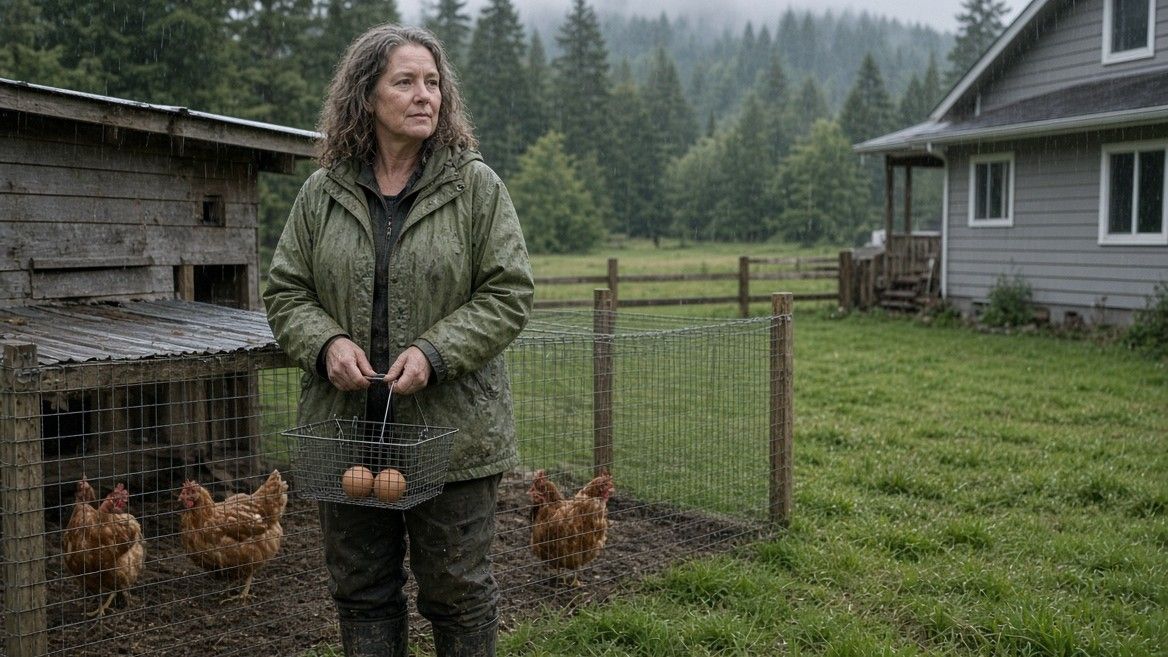
chicken coop

A chick in April is not a food plan. It is a promise you will be in the yard twice a day in November, in the rain, when the novelty is gone.


That is the constraint livestock people bury under breed charts. Animal husbandry can be a real layer: eggs, meat, manure, a reason to be outside when the house is tense. It can also be a smell complaint, a feed bill that still depends on the store, a rooster the city already banned, and a slaughter you talked around until the animals were grown. Under pressure, neglected animals are not resilience. They are a welfare problem on your property.


This article has one job: decide whether a small, legal flock or hutch belongs in your household this year. Not goats. Not a pig on a city lot. Not a homesteader identity. Birds or rabbits you can keep inside the rule and the week.


Bottom line up front

Check the city, the county, the lease, and the HOA before you check Craigslist. Most U.S. cities that allow hens cap the flock at something like four to eight birds, ban roosters, and want the coop set back from the neighbor's line. The HOA can still say no after the city says yes.


Eggs are excellent food and a weak calorie backbone. A large egg is about 70 to 80 calories. A small hen flock in a good year is weeks of calories for one person, not a year for a family, and only while layer feed --- or a planned substitute the birds will actually eat --- keeps showing up.


If you only do one thing this week: print the ordinance and walk the setback with a tape measure. If the coop does not fit, this path is closed. Closed is a clean answer.


What a small flock actually pays

Four to six hens, well kept, can give a household a steady carton for a stretch of their first laying years. Then production drops. Birds molt. Winter light on the Peninsula does not care about your breakfast. You will buy eggs again or you will keep more birds than the lot and the rule allow.


What the flock is good for:


  • A dense, familiar protein you can cook in the dark.
  • Manure for a garden that already exists.
  • A daily system that trains the household to show up.
  • What the flock is not:
  • Independence from grain. Most backyard hens are a conversion machine for bagged feed.
  • A reason to skip stored food.
  • Quiet in a way every neighbor will love. Hens talk. Roosters talk on a schedule nobody in town will forgive.


Meat birds are a different calendar and a different household conversation. If you cannot say out loud who will kill, scald, and cut, do not order the birds that only make sense as meat.


Rabbits, and why they are not a workaround


Rabbits show up in preparedness lists because they are quiet, fast, and legal in some places that frown on poultry. They also require you to treat them as livestock. That means breeding decisions, young that pile up, and a processing day that arrives whether you feel ready or not.


If the household will not do that work, rabbits become pets with a feed bill. Pets are allowed. Do not file them under food production.


Some cities lump rabbits into the same cap as hens. Some silent HOAs treat a hutch like a farm. Read the same documents. Do not assume "quiet" means "permitted."


The legal layer is the first fence

Ordinances vary by municipality, not by a neat state chart you can memorize. Typical patterns, not promises:


  • Four to eight hens on a standard residential lot.
  • No roosters in town.
  • Coop setbacks often in the 15-to-30-foot range from neighboring dwellings or property lines; some cities write numbers that make a normal lot impossible.
  • Permits and inspections in some places, none in others.
  • Bans on selling eggs even when keeping hens is fine.


HOA covenants and leases sit on top. A landlord can refuse a coop the city would allow. A neighbor complaint can become a nuisance case even when you are inside the number.


Rural zoning is looser until it is not. Acreage minimums, livestock units, and setbacks still exist. A five-acre dream with a one-acre rule is a fine. Walk the planning office like an adult before you pour a slab.


If you live in a multifamily building, the path is usually closed. A balcony hen is how you meet the manager and the health department in the same week.


Urban: a tiny flock or nothing

An urban flock that works looks modest on purpose. A predator-proof coop and run the city would recognize as sanitary. A number under the cap. No rooster. A waste plan that does not perfume the alley. A neighbor you told before the chicks peeped, not after.


Site the coop where the tape measure says you may. Morning sun helps a winter flock. Drainage matters. A coop in a low, wet corner is an ammonia box.


Predators in town are not theoretical. Dogs, raccoons, rats. Hardware cloth is not chicken wire with a better name. If you cannot build or buy an enclosure that holds at night, do not keep birds.

Noise and smell are how urban flocks die. Clean faster than you think you need to. Do not store wet bedding against a shared fence. If you cannot do that in January, do not start in May.


Rural: you can do more, and you can overbuild

A ridge lot can hold a real poultry system: more hens, maybe meat birds, maybe rabbits, maybe a larger run. It can also collect animals until the morning chore is an hour and the feed stack looks like a small store.


Staff the system. If one person does all of it, that person will get sick and the animals will pay. Write a roster. Train a second pair of hands on waterers and gates before you add bodies.


Fencing and housing still matter. Coyotes and loose dogs do not care that you own timber. A cute tractor with weak mesh is a buffet.


Water freezes. On the Peninsula it also rains sideways. Design for the weather you have, not a catalog coop from a dry climate.


Feed is the supply chain you do not want to notice

Write the feed math before the birds arrive. Hens eat every day. A common planning figure is on the order of a quarter pound of feed per hen per day, plus grit and shell, plus more in cold weather. Prices move. Availability moves.


Kitchen scraps do not replace a ration. They can supplement. Animals that only eat leftovers will show it in eggs and health.


If your plan is "when the feed store stops, they free-range," say the rest of the sentence. Free-range on a city lot is the neighbor's garden and a hawk. Free-range on a ridge still needs a night enclosure and a landscape that actually holds calories. A flock is not a perpetual-motion machine.


Store some feed as you would store rice: dry, rotated, rodent-proof. Do not store so much it spoils while you tell yourself you are prepared. And do not pretend stored feed is a closed loop. It is a buffer.


The household conversation

This is the section most flock articles skip.


Who opens the coop when you work late. Who does it when you have the flu. Who will process an animal. Who will eat it. What happens if a kid names the hen you planned as soup. What happens if a neighbor texts a photo of a raccoon event to the HOA board.


Have that talk at the table. If the answers are shrugs, you are buying conflict, not eggs.


Children can help. They cannot be the only plan. Partners who never wanted animals will not become homesteaders because the chicks were small. Believe people the first time.


Mistakes and tradeoffs

The first mistake is animals before a garden. Manure is useful if there is ground to put it on. A flock with no bed is a chore with a carton attached.


The second is rooster denial. You wanted fertility or "a real flock." The city wanted quiet. The city wins.

The third is slaughter as a future self problem. Future you is still you. If the work is off the table, buy eggs and keep rabbits out of the meat column.


Tradeoffs: hens pay food without a weekly death if you are running layers. They pay less energy than people think and they advertise themselves to neighbors. Rabbits can be quieter and ask a harder kitchen day. Larger stock --- goats, pigs, cattle --- can move real calories and they are a different article, on a different parcel, with different zoning. They are not a first path for an ordinary household.


Do not do this: order chicks for Easter as a lesson and discover you have adults in June. Do not do this: hide a coop along a property line and hope. Do not do this: treat livestock as a substitute for stored food because the animals feel like action.


What to do this week


Read the ordinance, the lease, and the covenants. Walk the setback with a tape. Talk to the people who share the house, and then to the neighbor who shares the fence.


If any of those doors close, stop. Put the energy into potatoes.


If they open, write a one-page system before any animal arrives:


  • Number of hens or rabbits, under the cap.
  • Coop or hutch site, predator plan, waste plan.
  • Feed source and a month of buffer.
  • Chore roster with two names.
  • What you will do when laying slows or when a meat date arrives.


Then wait a week. If you still want the work after the romance cools, you have a path. Build the housing first. Animals second. Eggs are a dividend of a boring system that already runs in the rain.


A flock will not make you a homesteader. A household that keeps a legal, fed, clean set of animals --- and can stop when the rule or the week says stop --- is already doing the adult version. That is enough.


Never miss an article. Subscribe FREE to get notified when a new article is published!

Preparedness is only the beginning. The Ridge Plan explores what happens when stored supplies are no longer enough—and ordinary neighbors must turn preparation into decisions, trust, and survival.

Mountain House Beef Potato Hash
By R.T. Fagan • September 6, 2026
Serves 2 · ≈1,000 cal each Ingredients 2 servings Mountain House diced beef, rehydrated 3 cups rehydrated Augason Farms potato shreds or slices 4 Tbsp vegetable oil or olive oil ½ cup rehydrated Augason Farms spinach flakes ½ cup rehydrated diced carrots 5 garlic cloves, minced Smoked paprika, cumin, salt, black pepper Method Heat oil in a cast-iron skillet over the coals. Add potatoes in a single layer. Let them crisp before stirring. Add garlic, beef, carrots, and spices. Cook 5–6 minutes. Fold in spinach at the end so it wilts into the hash. Nutrition (full meal / per person) Calories: ≈2,010 / 1,005 Protein: ≈66 g / 33 g Carbs: ≈160 g / 80 g Fiber: ≈14 g / 7 g Significant vitamins/minerals: Protein, iron and zinc (beef), potassium (potatoes), vitamin A and C (carrots/spinach), calorie-dense oil More recipes and additional bonus material can be found at https://www.griddownfiction.com/bonus-material
Fire-Pot Ramen with Chicken, Egg & Broccoli
By R.T. Fagan • September 5, 2026
Serves 2 · ≈1,000 cal each Ingredients 6 bricks Top Ramen (seasoning packets optional / use sparingly) 2 cans canned chicken, drained 2 servings powdered eggs, rehydrated and scrambled 4 Tbsp vegetable oil 1 cup rehydrated Augason Farms broccoli florets 4 garlic cloves, minced Broth if available, chili flakes, black pepper, optional soy sauce Method Cook ramen in a pot over the fire until just tender. Drain most of the water, leave a little. In a skillet, heat oil. Sauté garlic, then scramble the powdered eggs and set aside. Add chicken and broccoli to the oil. Heat through. Combine noodles, eggs, chicken, and broccoli. Toss with remaining oil. Season. Nutrition (full meal / per person) Calories: ≈2,030 / 1,015 Protein: ≈68 g / 34 g Carbs: ≈195 g / 98 g Fiber: ≈10 g / 5 g Significant vitamins/minerals: Protein from chicken and eggs, vitamin C and K (broccoli), B-vitamins (noodles), fats from oil for calorie density More recipes and additional bonus material can be found at Https://www.griddownfiction.com/bonus-material
Creamed Corn Chicken & Rice Skillet
By R.T. Fagan • September 4, 2026
Serves 2 · ≈1,000 cal each Ingredients 2 cans canned chicken, drained 3 cups cooked brown or white rice 1 can cream corn 4 Tbsp extra-virgin olive oil or vegetable oil ½ cup rehydrated Augason Farms broccoli florets 4 garlic cloves, minced Salt, black pepper, paprika, dried thyme Method Heat oil in a large skillet over the fire. Sauté garlic 30 seconds. Add chicken and broccoli. Cook 2 minutes. Stir in cream corn and rice. Simmer until thick, creamy, and hot. Adjust seasoning. Nutrition (full meal / per person) Calories: ≈2,000 / 1,000 Protein: ≈70 g / 35 g Carbs: ≈180 g / 90 g Fiber: ≈12 g / 6 g Significant vitamins/minerals: High protein and niacin (chicken), vitamin C (broccoli), B-vitamins (rice), vitamin A (corn), calorie-dense oil 
Black Bean Burger Skillet with Corn & Potatoes
By R.T. Fagan • September 3, 2026
Serves 2 · ≈1,000 cal each Ingredients 2 servings Augason Farms black bean burger (prepared per package) 2 cups cooked or rehydrated Augason Farms potato slices or shreds 1 cup kernel corn or cream corn 4 Tbsp extra-virgin olive oil or vegetable oil ¼ cup Augason Farms cheese blend powder ½ cup rehydrated spinach flakes (optional) 4 garlic cloves, cumin, smoked paprika, chili powder, salt Method Heat oil in a cast-iron skillet over medium coals. Brown the black bean burger mix, breaking it into crumbles. Add garlic, spices, potatoes, and corn. Cook 6–8 minutes, stirring so the potatoes crisp on the edges. Sprinkle cheese powder and fold in spinach. Heat until the cheese melts into the skillet. Nutrition (full meal / per person) Calories: ≈2,000 / 1,000 Protein: ≈58 g / 29 g Carbs: ≈200 g / 100 g Fiber: ≈28 g / 14 g Significant vitamins/minerals: High fiber and folate (black beans), potassium (potatoes), vitamin A (corn/spinach), calcium (cheese powder), healthy fats from oil More recipes and additional bonus material can be found at https://www.griddownfiction.com/bonus-material
Baked Bean, Green Bean & Chicken Garlic Skillet
By R.T. Fagan • September 1, 2026
Serves 2 · ≈1,000 cal each Ingredients 2 cans baked beans 1–2 cans canned chicken, drained 1 can cut green beans, drained 4 Tbsp extra-virgin olive oil 5 garlic cloves, minced 1 cup cooked rice (optional stretcher if you want extra bulk) Smoked paprika, black pepper, chili flakes, salt Method Heat olive oil in a deep skillet or Dutch oven over the fire. Sauté garlic 30 seconds. Add chicken and green beans. Heat 2 minutes. Stir in baked beans. Simmer until thick and bubbling. Fold in rice if using. Taste and add heat.  Nutrition (full meal / per person) Calories: ≈2,000 / 1,000 Protein: ≈72 g / 36 g Carbs: ≈175 g / 88 g Fiber: ≈24 g / 12 g Significant vitamins/minerals: High fiber (baked beans), protein (chicken + beans), vitamin K and C (green beans), lycopene if sauce is tomato-based, healthy fats from olive oil More recipes and additional bonus material can be found at https://www.griddownfiction.com/bonus-material
minced Clam Garlic Tomato Pasta
By R.T. Fagan • September 1, 2026
Serves 2 · ≈1,000 cal each Ingredients 12 oz dry pasta 2 cans minced clams, drained (reserve a little liquid) 1½ cups tomato sauce or tomato chunks & garlic 5 Tbsp extra-virgin olive oil 1 cup rehydrated Augason Farms spinach flakes or broccoli 6 garlic cloves, minced Salt, black pepper, red pepper flakes, dried oregano Method Boil pasta in salted water over the fire. Drain, save ½ cup pasta water. In a skillet, heat olive oil. Sauté garlic 30 seconds. Add tomato sauce, clams, reserved clam liquid, and greens. Simmer 3–4 minutes. Toss in pasta and a splash of pasta water until glossy. Season well. Nutrition (full meal / per person) Calories: ≈2,010 / 1,005 Protein: ≈64 g / 32 g Carbs: ≈185 g / 92 g Fiber: ≈16 g / 8 g Significant vitamins/minerals: Iron, B12 and selenium (clams), lycopene and vitamin A (tomato), vitamin K/C (greens), monounsaturated fats and vitamin E (olive oil) More recipes and additional bonus material can be found at https://www.griddownfiction.com/bonus-material
Pulled Pork Pineapple Fried Rice
By R.T. Fagan • September 1, 2026
Serves 2 · ≈1,000 cal each Ingredients 2 cans pulled pork, drained 4 cups cooked jasmine or long-grain rice (day-old best) 1 can pineapple chunks, drained (reserve 2 Tbsp juice) 5 Tbsp coconut oil or vegetable oil 1 cup rehydrated Augason Farms diced carrots or veg medley 6 garlic cloves, minced Salt, black pepper, chili flakes, optional soy sauce Method Heat 3 Tbsp oil in a wok or cast-iron skillet over the open fire. Add garlic and flash-fry 20 seconds. Add rice and break up clumps. Fry 3–4 minutes until it picks up color. Stir in pulled pork, pineapple, reserved juice, and vegetables. Add remaining oil. Cook until hot and slightly caramelized. Season hard. Nutrition (full meal / per person) Calories: ≈2,020 / 1,010 Protein: ≈62 g / 31 g Carbs: ≈190 g / 95 g Fiber: ≈12 g / 6 g Significant vitamins/minerals: Vitamin C (pineapple/carrots), B-vitamins and iron (pork + rice), vitamin A (carrots), calorie-dense fats from oil More recipes and additional bonus material can be found at https://www.griddownfiction.com/bonus-material
Black cast-iron pot of bubbling stew over an open flame with a golden crust on top
By R.T. Fagan • August 21, 2026
Serves 2 · ≈1,000 cal each Ingredients 2 cans chili con carne with beans 1 box or package corn bread mix (prepared with water + 2 Tbsp vegetable or olive oil) 3 Tbsp extra-virgin olive oil 1 cup rehydrated kernel corn 4 garlic cloves, extra chili powder, cumin, salt Method Heat olive oil in a Dutch oven or deep cast-iron skillet over the open fire. Sauté garlic. Add chili + corn; simmer 5 minutes. Prepare cornbread batter (add oil for richness). Pour batter over the chili. Cover tightly and cook over low coals or with coals on the lid until the cornbread is set and golden.  Nutrition (full meal / per person) Calories: ≈2,020 / 1,010 Protein: ≈55 g / 27 g Carbs: ≈230 g / 115 g Fiber: ≈25 g / 12 g Significant vitamins/minerals: High fiber & protein (chili/beans), vitamin A & lycopene, healthy fats (olive + vegetable oil), iron
A pot of bubbling fruit dessert cooking over an open campfire, with steam rising and flames below.
By R.T. Fagan • August 21, 2026
Serves 2 · ≈1,000 cal each Ingredients 3 cups dry oatmeal 4 Tbsp peanut butter 3 Tbsp coconut oil ½ cup raisins + ½ cup rehydrated Augason Farms mixed fruit / blueberries / sliced apples 2 Tbsp honey or maple syrup Pinch salt, cinnamon, optional powdered milk for creaminess Method Cook oatmeal in water (or reconstituted milk) in a pot over the open fire until thick. Stir in coconut oil and peanut butter until melted and creamy. Fold in fruit and raisins. Sweeten and spice. Serve hot from the fire.  Nutrition (full meal / per person) Calories: ≈2,000 / 1,000 Protein: ≈50 g / 25 g Carbs: ≈220 g / 110 g Fiber: ≈28 g / 14 g Significant vitamins/minerals: High healthy fats & vitamin E (peanut butter + coconut), potassium & antioxidants (fruit/raisins), sustained energy from complex carbs + soluble fiber
Black cast-iron pot simmering over flames, filled with dark stew and chunks of vegetables.
By R.T. Fagan • August 21, 2026
Serves 2 · ≈1,000 cal each Ingredients 1 cup dry Clear Creek red lentils 1 can (or 2 cups) black beans 1–2 servings Mountain House diced beef (rehydrated) 4 Tbsp coconut oil 1 cup rehydrated Augason Farms potato shreds or slices ½ cup rehydrated spinach or veg medley 5 garlic cloves, cumin, smoked paprika, bay leaf, salt, chili Method Simmer lentils in water/broth over the fire until soft (15–20 min). In the same pot melt coconut oil; add garlic + spices. Stir in beef, black beans, potatoes, and greens. Simmer 5 more minutes until thick and bubbling over the flames.  Nutrition (full meal / per person) Calories: ≈2,010 / 1,005 Protein: ≈78 g / 39 g Carbs: ≈175 g / 87 g Fiber: ≈35 g / 17 g Significant vitamins/minerals: Extremely high fiber & iron (lentils + beans), vitamin A & C (greens), MCTs (coconut oil), zinc & B-vitamins