Medicine After the Grid Falls
Why Plant Skills Matter, and How to Start Now
When the power fails for days, the first medical problem is not a missing herb. It is the closed pharmacy, the dead refrigerator, the clinic that cannot take a walk-in, and the ambulance that does not come. A longer outage turns those inconveniences into a supply problem. Insulin and some liquid antibiotics spoil without cold storage. Inhalers, epinephrine, and prescription refills stop arriving. Over-the-counter shelves empty in the first rush. People still cut themselves, spike fevers, pull muscles, and develop tooth pain.
Medicinal plants do not replace a trauma kit, a month of prescriptions, or a clinician. They do something more limited and still useful: they give a prepared household a renewable layer of care for the ordinary problems that fill the weeks after the dramatic first days. Cuts that need cleaning. Sore throats. Mild digestive upset. Muscle pain from hauling water. Skin irritation. Sleep that will not come because the house is cold and the news is worse. Those are the problems that wear people down when help is delayed.
The work has to start before the crisis. Identification, harvesting, and medicine-making are skills. They are not a shopping list you memorize the week the lights go out.
What plant medicine is actually good for
A grid-down medical plan has three layers. Skip one and the others fail.
Layer one is modern medicine you already depend on. A month of prescriptions, stored the way the label requires, is worth more than a shelf of tinctures. The American Red Cross recommends at least a one-month supply of medications when you can get it. Pain relievers, antihistamines, anti-diarrheals, oral rehydration salts, a thermometer, and a real first-aid kit belong in the same cabinet. Plants do not treat anaphylaxis, a deep infection, a broken bone, or diabetic crisis.
Layer two is skills and sanitation. Most post-disaster illness is infection from dirty water, poor wound care, and crowding, not a lack of exotic herbs. Handwashing, boiled water, clean bandages, and knowing when a wound is beyond home care will prevent more harm than any wild harvest.
Layer three is plant medicine you have already practiced. Used inside its limits, it stretches supplies and covers the gap between “inconvenient” and “needs a doctor you cannot reach.”
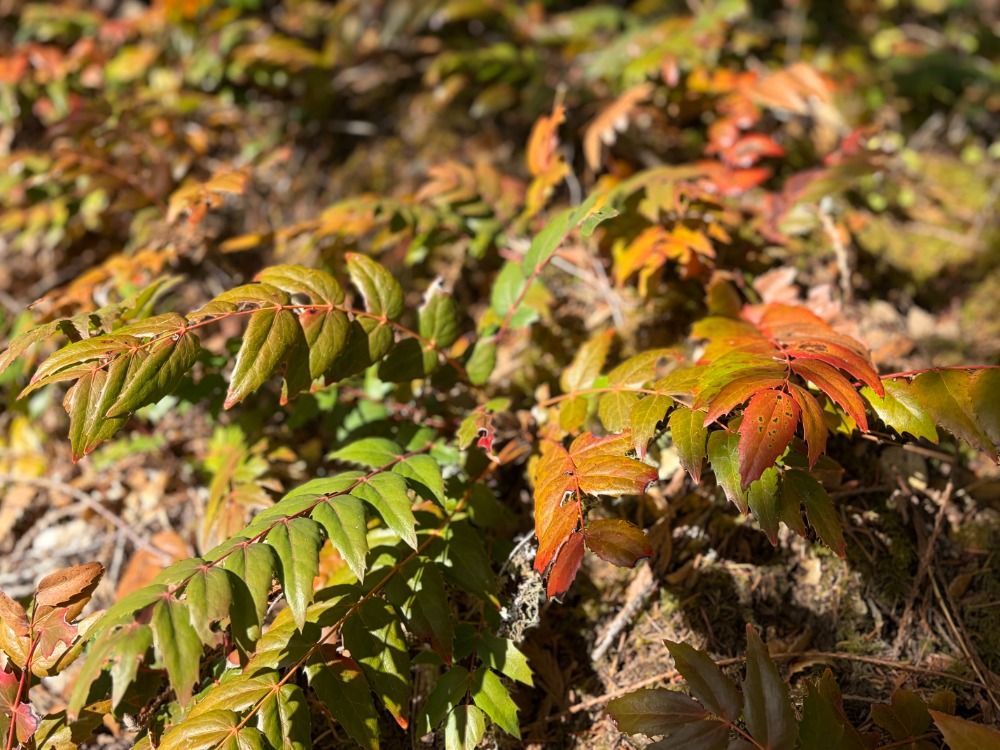
On the North Olympic Peninsula that third layer is unusually strong. The same coastal forest that makes winter hard also grows some of the most used medicinal plants in the Pacific Northwest: stinging nettle, yarrow, Oregon grape, willow, cottonwood, plantain, cedar, and, in the right wet draws, devil’s club. Weedy clearings add plantain, dandelion, blackberry leaf, and self-heal. You do not need a rare plant. You need the common ones, identified twice, harvested legally, and turned into medicine while you still have a stove, labels, and time to notice a mistake.
The benefits, stated plainly
They renew. A bottle of ibuprofen ends. A nettle patch, managed so you take spring tops and leave the roots, comes back. Cottonwood buds return on the same trees. That matters in week three, not hour three.
They cover the problems that empty a kit. Minor bleeding, skin irritation, sore muscles, simple coughs, and upset stomach are what people actually treat at home. Yarrow has a long record as a wound herb. Plantain is the classic poultice leaf for stings and scrapes. Willow bark is the old source of the chemistry behind aspirin and is not for everyone — especially not children, or anyone who should avoid aspirin. Oregon grape root is intensely bitter and traditionally used where a strong antimicrobial bitter was wanted. None of that is a prescription. It is a reason to learn the plants before you need them.
They do not need a cold chain. Dried leaf, a vodka or glycerin tincture, a salve in a clean tin, and honey in a jar survive a blackout better than liquid antibiotics in a warm bathroom. Alcohol extracts keep for years if the jar is full, dark, and labeled.
They force good habits. To use plants safely you have to slow down: right plant, right part, right season, right person, right problem. That same discipline is what keeps someone from taking a neighbor’s prescription or ignoring a wound that is getting worse.
They are local. A national supply chain can fail. A known patch of nettle on your own fence line does not depend on a truck from another state. On a ridge above Port Angeles, the useful pharmacy is often the ditch, the timber edge, and the garden you already weed.
What it will not do
Be honest about the gaps or the plan is fiction.
Plant medicine will not set a fracture, close a serious laceration, replace insulin, or reliably clear a deep bacterial infection. Devil’s club is slow-growing; stripping it because a book called it powerful is how a local patch disappears. Olympic National Park restricts collecting. Private timberland and tribal land are not open pantries. Some useful-looking plants are toxic in the wrong dose or the wrong person: foxglove is not “digitalis you can pick,” and water hemlock has killed foragers who thought they had wild carrot.
Self-treatment is the weak point. Scott Kloos, whose Pacific Northwest Medicinal Plants is the regional standard, is explicit that these uses carry uncertainty and that a qualified practitioner is the right consult when you can still get one. Learn the plants as a backup, not as a personality.
Ten steps, in order
The first three do not require a single wild leaf.
- Write the household medical picture. List every prescription, dose, prescriber, and pharmacy. Note allergies and who cannot take aspirin, NSAIDs, or alcohol-based tinctures. Ask clinicians about an extra month of essential medications. Store them as labeled, not in a hot rig or a damp shed.
- Build a boring medical kit. Pressure bandages, gauze, tape, gloves, antiseptic, tweezers, a tourniquet you have practiced with, oral rehydration salts, pain relief, antihistamine, anti-diarrheal, thermometer, and any inhalers or epinephrine the household actually uses. Add a printed first-aid reference. Plants are useless on a bleed you have not learned to stop.
- Fix water and wound care. A way to boil or filter water, soap, and a clean place to dress a wound will outperform a dozen tinctures. Practice the sequence on a small cut now: clean, dress, watch for red streaking, fever, or worsening pain.
- Buy two books and use them outside. Start with Scott Kloos, Pacific Northwest Medicinal Plants, and Natalie Hammerquist, Medicinal Plants of the Pacific Northwest. Pair them with Pojar and MacKinnon, Plants of the Pacific Northwest Coast, so identification is not left to a medicinal guide alone. Walk the same trail once a month. Identify ten plants stone cold, including the look-alikes you must not touch.
- Learn ten plants, not fifty. A practical peninsula set: yarrow, plantain, stinging nettle, blackberry leaf, dandelion, willow, cottonwood, Oregon grape, cedar, and self-heal or cleavers. Add devil’s club only after you know how to take a little without killing the shrub. Know the part used, the season, one preparation, and one reason to avoid it.
- Make medicine while the grid is up. A half-dozen jars is enough: dried nettle leaf, yarrow for a skin wash, plantain salve, cottonwood-bud oil, a bitter Oregon grape tincture only if you already tolerate it, and honey. Label every jar with plant, part, date, solvent, and ratio. If you cannot explain the label, you are not ready to use it in the dark.
- Grow a yard pharmacy. Plantain, yarrow, calendula, and nettles can live at the edge of a garden without a trip into the park. A small bed is legal, close, and renewable. It also teaches you what “enough” looks like before you harvest under stress.
- Store what the plants depend on. High-proof alcohol for tinctures, olive oil, beeswax, clean jars, cheesecloth, labels, a scale, and a dedicated pot. Honey, salt, and vinegar earn their shelf space.
- Write the stop rules. Before anyone is sick, agree on what home care does not cover: difficulty breathing, chest pain, a deep or dirty wound, fever in an infant, confusion, a diabetic emergency, an allergic reaction, or any infection that is spreading. Those cases still need evacuation, a neighbor with training, or a hard decision. A tincture is not the plan for them.
- Practice one skill a month. January: inventory prescriptions. February: build the kit. March: identify nettle and plantain. April: dry a small harvest. May: make one salve. June: walk with someone who already knows the flora. By the time a winter storm takes the lights, the skill should be boring. Boring is what you want.
On the ridge, supplies run out and judgment does not get a refill. Medicinal plants belong in a grid-down household only if they sit behind prescriptions, clean water, and wound care, and only if you learned them on purpose. Start with the kit. Then learn the ten plants that already grow between Port Angeles and the Strait. The forest will still be there. The pharmacy might not.
More preparedness notes and bonus material: https://www.griddownfiction.com/bonus-material
This is educational preparedness writing, not medical advice. Misidentification and self-treatment can cause serious harm. Confirm every plant with a field guide, respect park and private-land rules, and use a clinician for anything beyond minor home care.
Preparedness is only the beginning. The Ridge Plan explores what happens when stored supplies are no longer enough—and ordinary neighbors must turn preparation into decisions, trust, and survival.


