Skills, Not Stuff: The Preparedness Advantage Nobody Can Buy
This is a subtitle for your new post

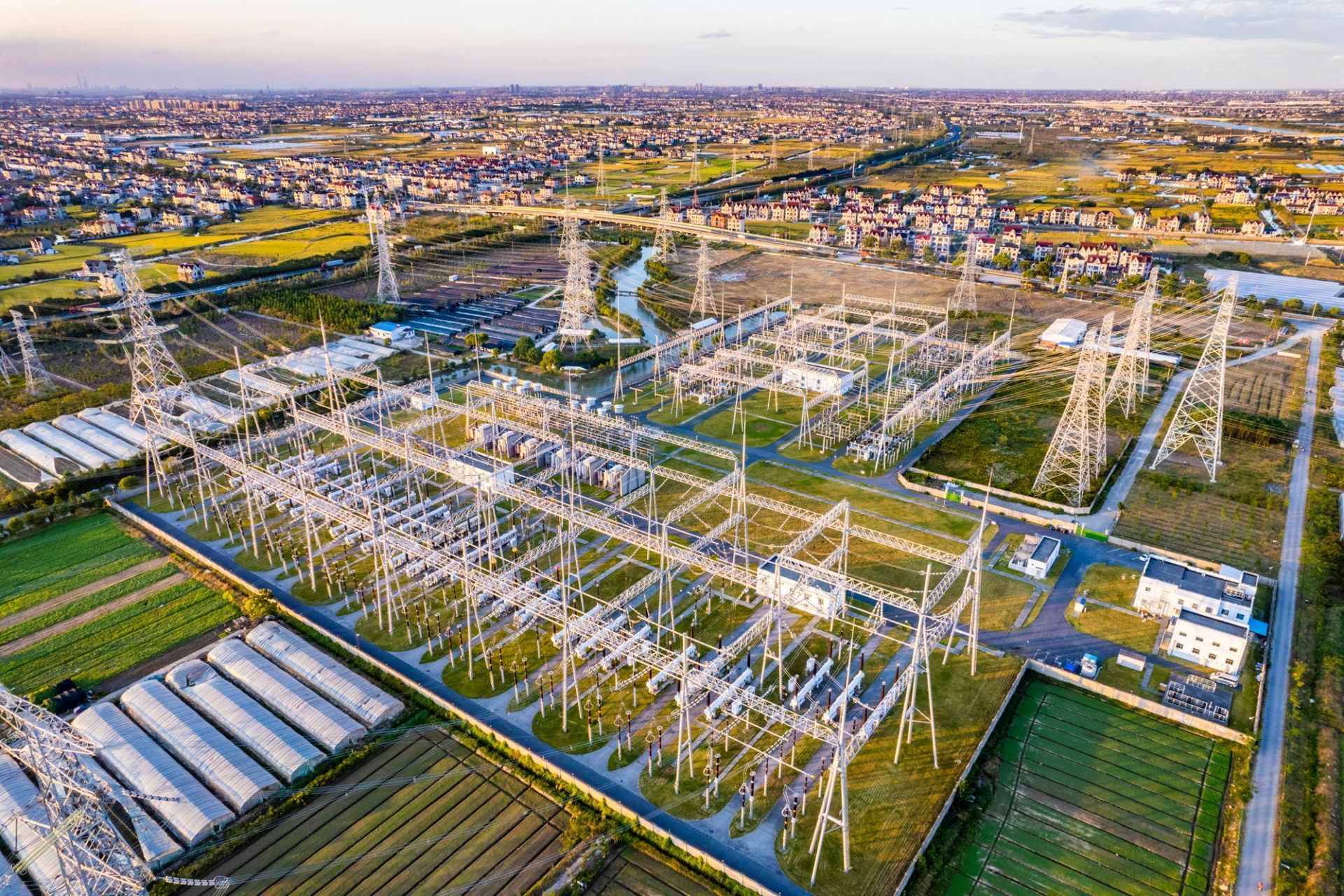
When the power goes out, your equipment may give you an advantage. But your knowledge, judgment, and ability to solve problems will determine how long that advantage lasts.
There is an entire industry built around convincing people that preparedness is something they can purchase.
Generators. Solar panels. Tactical backpacks. Water filtration systems. Freeze-dried food. Communications equipment. Emergency medical kits. The list never ends, and neither does the marketing.
Some of that equipment is genuinely valuable. I own and use preparedness equipment myself. Having the right tools can make an enormous difference when ordinary systems stop working.
But there’s a problem with the way preparedness is often marketed: it puts too much emphasis on what people own and not enough on what they know how to do.
You can buy a generator, but you cannot buy the experience of knowing how to keep your household powered safely when something goes wrong.
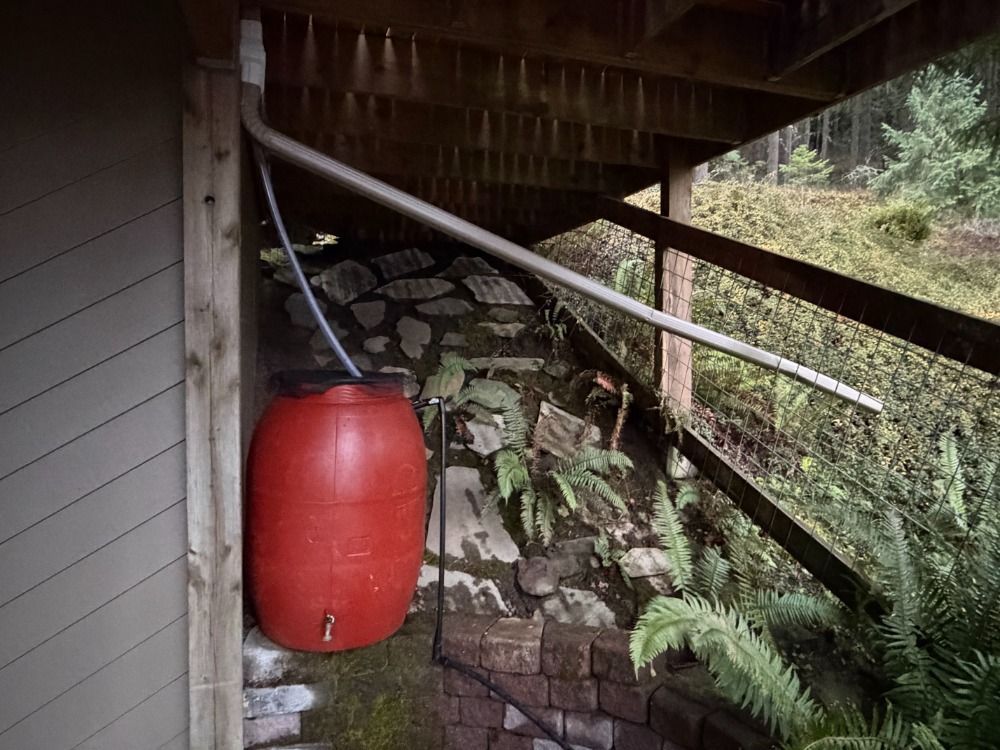
You can buy a water filter, but that doesn’t mean you understand water collection, sanitation, storage, or what to do when the filter fails.
You can stockpile food, but that doesn’t automatically make you capable of preparing nutritious meals, preserving what you grow, managing fuel consumption, or feeding a household when refrigeration disappears.
Equipment creates options. Skills allow you to use those options.
And when supply chains disappear, skills become increasingly valuable.
The problem with buying your way to preparedness
Imagine two households facing an extended electrical outage.
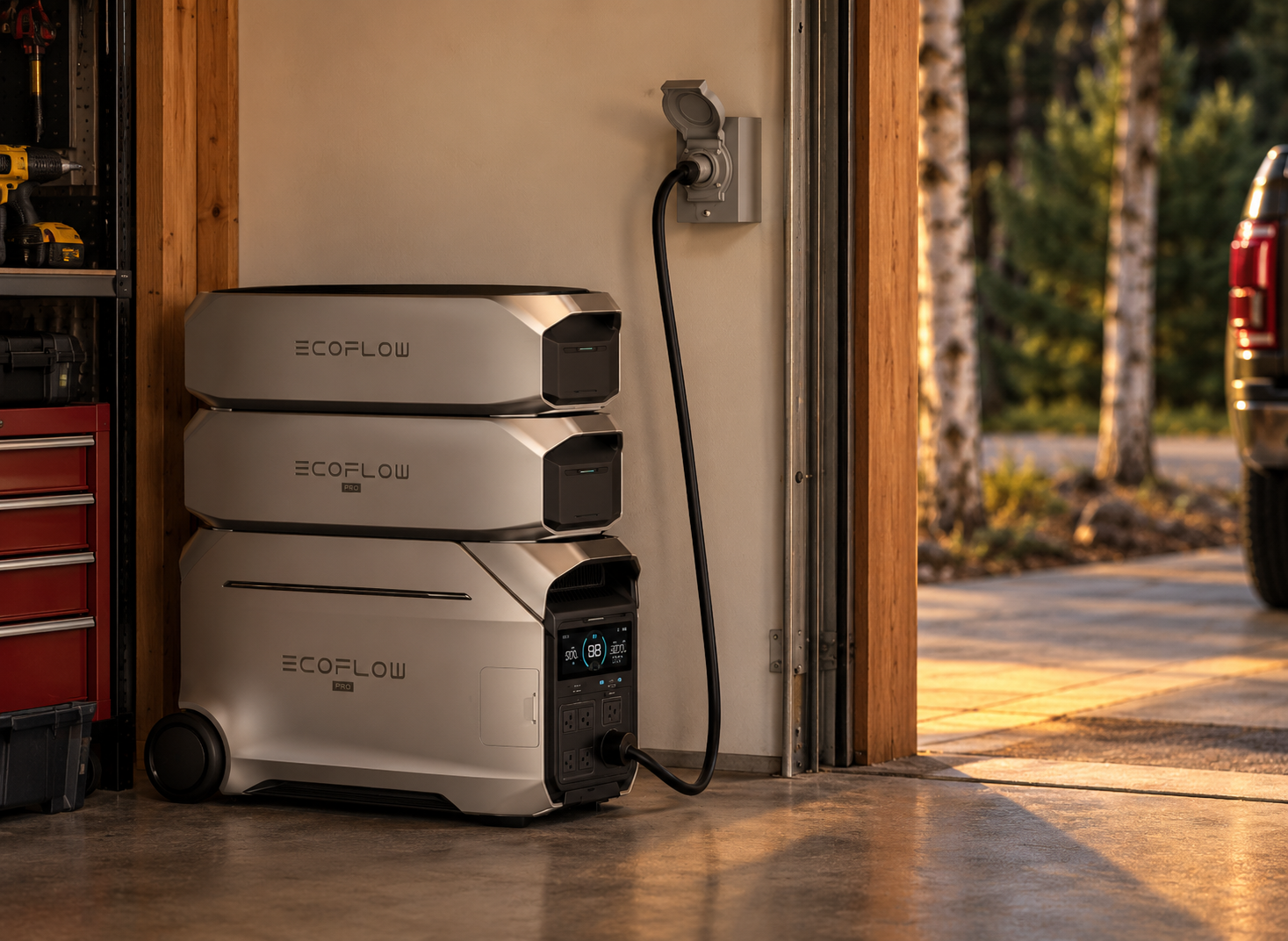
The first has invested thousands of dollars in emergency equipment. They have a generator, a solar power station, stored food, water filters, and a substantial collection of supplies.
The second has fewer resources. They have some stored food, a modest backup power system, a garden, basic repair skills, and experience cooking without relying on modern appliances.
Initially, the first household may have a considerable advantage.
But what happens when the generator needs maintenance? When fuel becomes difficult to obtain? When the stored food needs to be prepared using limited cooking resources? When a water system develops a problem?
The difference between the households may no longer be determined by how much equipment they own.
It may be determined by their ability to adapt.
This is one of the central ideas behind my novel, The Ridge Plan. When a nationwide blackout disrupts the systems people depend on, the story isn’t about an invincible individual with an impressive collection of equipment.
It’s about ordinary people confronting extraordinary circumstances.
Their decisions, practical knowledge, relationships, and ability to work together become just as important as whatever supplies they have managed to accumulate.
That’s a much more realistic picture of preparedness.
1. Food production is a skill, not a shopping category
Buying a year’s supply of food is one thing. Knowing how to produce food is something entirely different.
Stored food provides a valuable buffer, but it is finite. Eventually, the inventory gets smaller.
Gardening, seed saving, soil improvement, composting, harvesting, and food preservation provide something different: the ability to replenish at least part of what you consume.
You don’t need a homestead to begin developing these skills.
A small garden can teach you about growing seasons, soil conditions, water requirements, pests, and the amount of labor involved in producing food.
You can learn to grow potatoes, beans, tomatoes, squash, and other crops that contribute meaningful calories and nutrition.
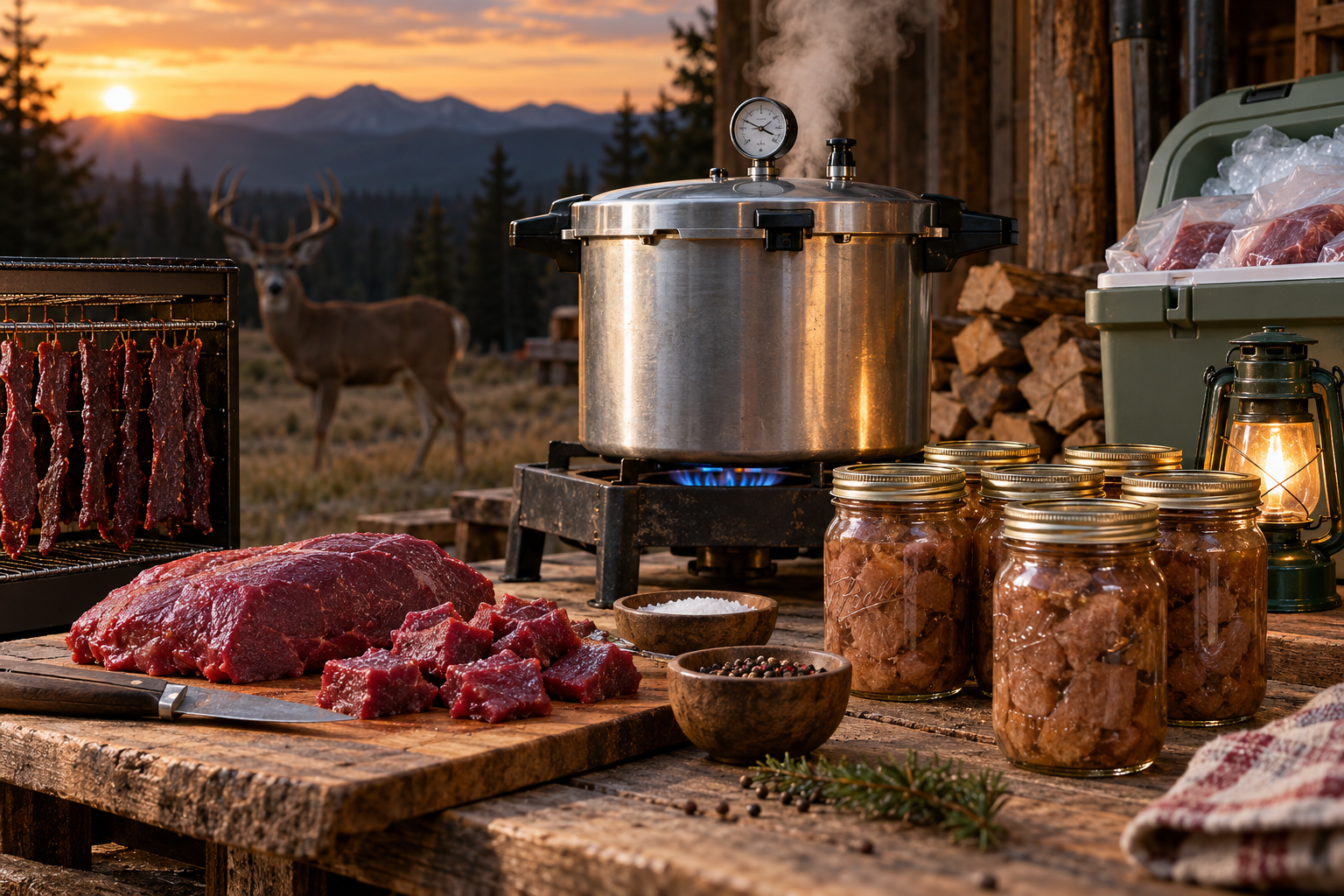
You can learn to dehydrate vegetables, pressure-can appropriate foods, preserve harvests, and store them safely.
You can also learn something important that rarely appears in preparedness product advertisements: food production requires time and labor.
A garden doesn’t automatically produce food just because you purchased seeds.
The connection to The Ridge Plan is straightforward. A community facing a prolonged disruption cannot indefinitely depend on whatever food happens to be sitting in its cupboards. Eventually, people must think beyond consumption and toward production.
The ability to produce even a portion of your own food changes the equation.
It’s not about becoming completely self-sufficient. It’s about reducing dependence.
2. Learn to cook when the kitchen stops working
Most modern households are remarkably dependent on electricity.
Electric ranges, refrigerators, freezers, microwaves, coffee makers, and even many water systems become unavailable during a significant outage.
Having food stored doesn’t solve the problem if you cannot prepare it.
Learn to cook using alternative methods before you need them.
Practice cooking with:
- Propane camp stoves.
- Wood-burning cooking systems.
- Dutch ovens.
- Charcoal grills (outdoors).
- Solar cooking equipment where practical.
Understand how much fuel different cooking methods consume. Learn which meals can be prepared in bulk and which foods require longer cooking times.
A nine-quart Dutch oven, for example, can make a substantial meal of beans, rice, lentils, vegetables, and protein. Preparing larger quantities at once can reduce fuel consumption compared with repeatedly cooking small meals.
These are not complicated skills, but they require practice.
You don’t want your first experience cooking over an alternative heat source to happen during the third day of a blackout.
3. Water knowledge is more important than owning a filter
Water preparedness is frequently reduced to purchasing filtration equipment and storing bottled water.
Both are worthwhile, but neither represents a complete water plan.
Do you understand the difference between filtration and disinfection?
Do you know how to identify potentially contaminated water sources? Do you understand safe water storage, container sanitation, and the risks of cross-contamination?
Do you know how much water your household actually consumes for drinking, cooking, and basic hygiene?
And what happens if your primary water source becomes unavailable?
These questions matter because water is not optional.
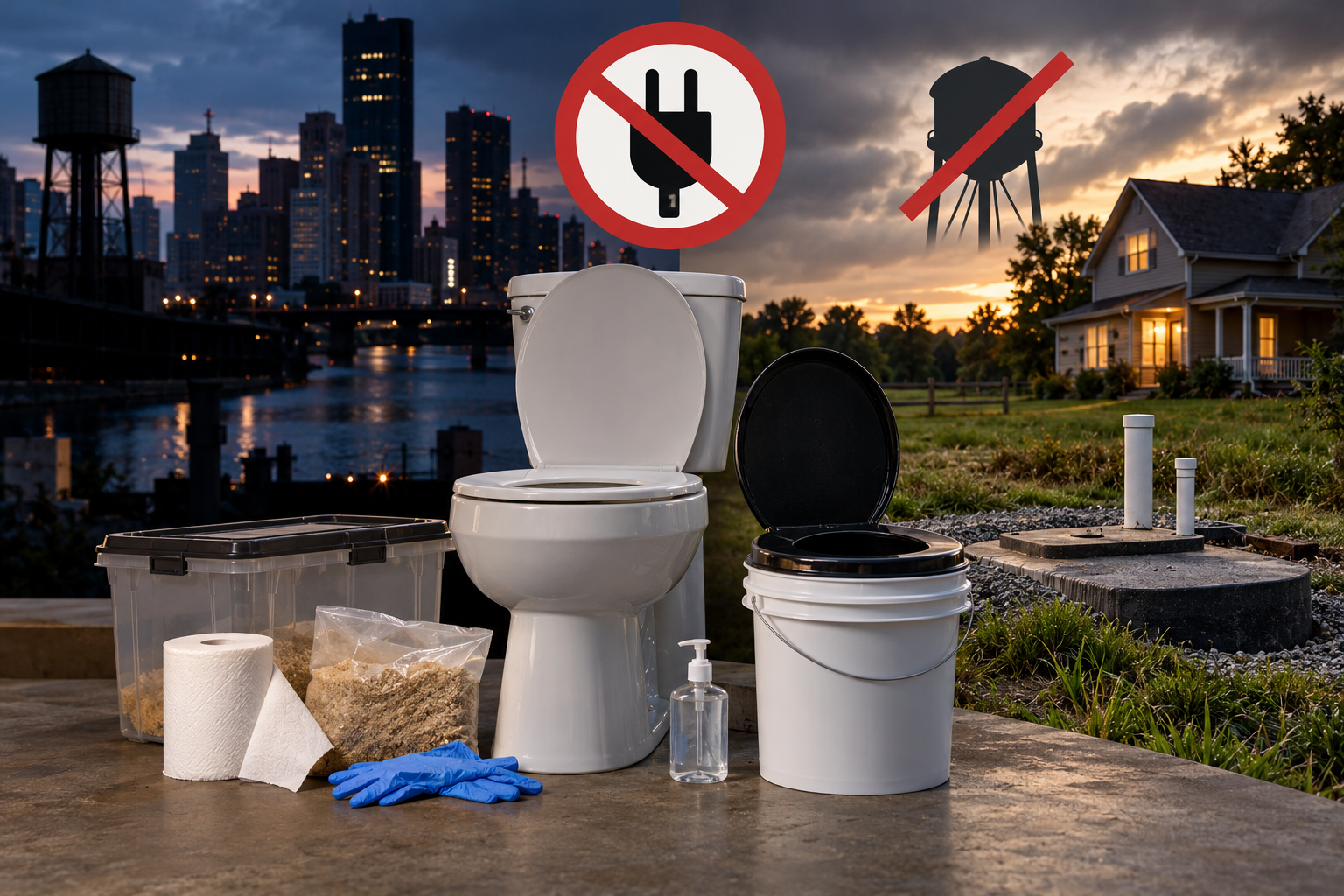
In The Ridge Plan, the breakdown of ordinary infrastructure changes the practical realities of daily life. Water is no longer something people can take for granted simply because they turn on a faucet.
Understanding water systems, sanitation, and safe treatment methods is a preparedness skill that no product purchase can replace.
4. Mechanical and electrical knowledge creates independence
Modern households are filled with systems that most people rarely think about until something stops working.
Generators. Pumps. Batteries. Solar equipment. Vehicles. Plumbing. Heating systems.
You don’t need to become an electrician or mechanic, but basic familiarity with these systems can make a tremendous difference.
Learn how to:
- Perform routine generator maintenance.
- Safely connect and manage backup power.
- Understand battery capacity and electrical loads.
- Recognize common plumbing problems.
- Perform basic vehicle maintenance.
- Troubleshoot equipment before assuming it needs replacement.
A generator is only useful if it works.
A battery bank is only useful if you understand its capacity and limitations.
A well pump is only useful if you have a way to power it and understand what that requires.
The people who understand the systems supporting their households are better positioned to recognize problems before those problems become emergencies.
5. Medical and practical care skills matter
Emergency preparedness discussions often focus on weapons, security equipment, and defensive capabilities.
Those subjects have their place, but a functioning community needs considerably more.
Someone who understands basic first aid, wound care, sanitation, and emergency assessment contributes something essential.
Someone who can recognize dehydration, manage basic injuries, or identify when a situation requires professional medical assistance has practical value.
Formal training matters. First aid and CPR courses are excellent places to start.
So does understanding the limitations of your knowledge. Knowing when not to attempt something is itself an important skill.
A community with medically trained people, practical caregivers, and individuals capable of maintaining sanitation has a significant advantage over one that has concentrated exclusively on supplies and security.
6. Community multiplies individual skills
This may be the most overlooked part of preparedness.
People frequently approach emergencies as individual survival exercises. The emphasis is on personal equipment, individual independence, and protecting what belongs to you.
But extended disruptions create problems that are difficult for any individual household to solve alone.
Food production requires labor. Security requires people. Medical situations require experience. Equipment requires maintenance. Water distribution and sanitation require organization.
No single person possesses every skill a community needs.
In The Ridge Plan, the ridge-top community becomes an important part of the story precisely because individual preparedness has limitations.
People have different abilities, different resources, and different levels of experience. Their ability to organize, communicate, share responsibilities, and make difficult decisions becomes increasingly important.
This isn’t an argument for assuming everyone will cooperate perfectly.
People disagree. Trust has to be earned. Resources are limited. Leadership decisions have consequences.
But a community that recognizes its weaknesses and organizes around its strengths has more options than a collection of isolated households.
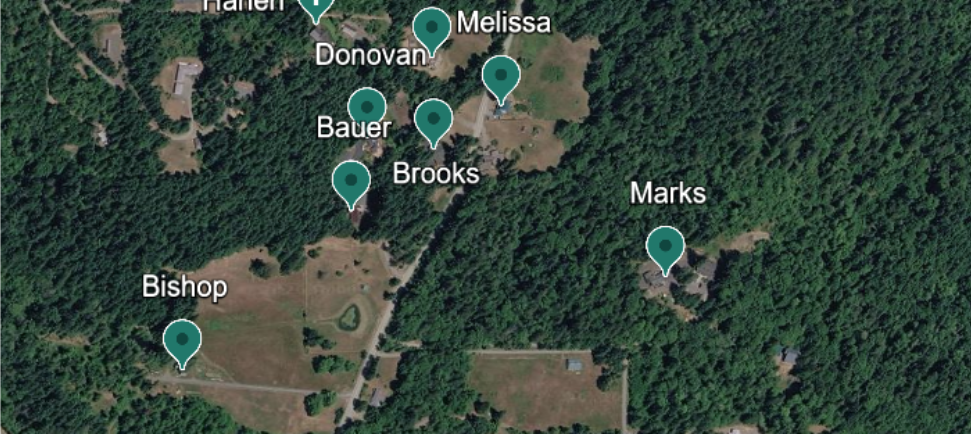
Think about your own neighborhood.
Who knows how to repair engines? Who has medical training? Who understands electrical systems? Who can grow food? Who has experience with water systems? Who can organize people and make decisions under pressure?
You might discover that your neighborhood already possesses more useful capabilities than you realize.
The challenge is recognizing and developing them before those capabilities become necessary.
7. Practice before the emergency
There is a significant difference between knowing something theoretically and being able to do it under pressure.
Reading about cooking with a Dutch oven isn’t the same as preparing dinner with one.
Owning a generator isn’t the same as maintaining and operating it.
Having a garden isn’t the same as successfully producing, harvesting, and preserving food.
Owning a first-aid kit isn’t the same as knowing how to use its contents.
The solution is relatively simple: practice.
Turn off your main electrical breaker for an afternoon and see how your household functions. Don’t endanger refrigeration, medical equipment, or essential systems in the process. Treat it as a controlled exercise.
Prepare a meal without using your electric kitchen appliances.
Calculate how much water your household needs for several days.
Practice operating your backup power equipment.
Try preparing a meal entirely from stored ingredients.
Identify what you don’t know. Then work on those weaknesses.
Preparedness should be an ongoing process of learning, testing, and improving.
It shouldn’t be a one-time shopping trip.
The real preparedness advantage
None of this means equipment is unimportant.
Food storage, backup power, water filtration, communications, medical supplies, and appropriate security measures all have a role.
But equipment should support your capabilities, not substitute for them.
A person with extensive supplies and little practical experience may be less prepared than they believe.
A person with modest resources, useful skills, sound judgment, and a willingness to cooperate may be considerably more resilient.
The best approach combines both.
Buy the equipment that makes sense for your circumstances. Learn how it works. Practice using it. Understand its limitations. Develop the skills that allow you to improvise when it fails.
And don’t overlook the people around you.
The most important resource in a prolonged emergency may not be something you can put on a shelf, charge with solar panels, or purchase online.
It may be the neighbor who knows how to repair your generator, the person who understands water treatment, the gardener who can produce food, or the nurse who knows how to respond when someone gets hurt.
These are capabilities that cannot be manufactured overnight.
Gear matters. Judgment matters more. Community matters most.
That’s the philosophy behind The Ridge Plan and the broader Ridge Universe.
I’m interested in realistic preparedness, not the fantasy of an invincible individual who has purchased enough equipment to overcome every possible problem.
Real emergencies are messy. Systems fail in unexpected ways. Plans encounter circumstances nobody anticipated.
The people who adapt are the ones who understand that preparedness isn’t simply about what they have.
It’s about what they can do with what they have.
You can buy supplies. You can buy equipment. But you have to develop skills.
And when the systems we depend on disappear, those skills may be the most valuable things you own.
f you haven’t read The Ridge Plan, it’s a story about ordinary people confronting a nationwide blackout and discovering what really matters when the systems they depend on disappear. It’s fiction, but the preparedness questions behind it are very real.
Prefer preparedness through fiction?
The Ridge Plan follows five ordinary households trying to organize after foreign actors take down the grid.
Read a free sample →
Preparedness is only the beginning. The Ridge Plan explores what happens when stored supplies are no longer enough—and ordinary neighbors must turn preparation into decisions, trust, and survival.