Beginner’s Guide to Emergency Preparedness: Actionable First Steps for Urban and Rural Living

Whether you live in a city apartment or a rural home, basic preparedness starts with the same priorities. Focus on the essentials that keep you alive and functional when systems fail: water, food, shelter, medications and first aid, and light. Build these step by step. Do not try to stock everything at once. Set clear, measurable goals and work through them in order of critical need.
Set Simple, Progressive Goals
Start small and expand. Aim for these milestones:
-Immediate (1–3 days): Cover the bare minimum so you can ride out a short outage, storm, or disruption without leaving home.
-Short-term (1–2 weeks): Enough supplies to stay self-reliant if stores close or roads are blocked.
-Medium-term (1 month+): Expand water and food storage, improve shelter options, and add redundancy.
Track progress with a simple checklist. Review and rotate supplies every 6–12 months. Urban and rural differences matter mainly in storage space, water sources, and local risks (power outages, floods, wildfires, supply chain delays). The core actions stay the same.
1. Water — Highest Priority
You need water before almost anything else. Goal: at least 1 gallon per person per day for drinking and basic hygiene (more in heat or for cooking/pets).
Actionable tips
- Buy or fill clean containers (food-grade plastic, glass, or dedicated water jugs). Store in a cool, dark place.
- Start with 3 days’ worth, then build to 2 weeks. Mark fill dates and rotate every 6 months.
- Urban: Focus on bottled water and a bathtub liner or sink storage bags for short-term collection. Keep a manual can opener and purification tablets or bleach (unscented, 8 drops per gallon of clear water after filtering if needed).
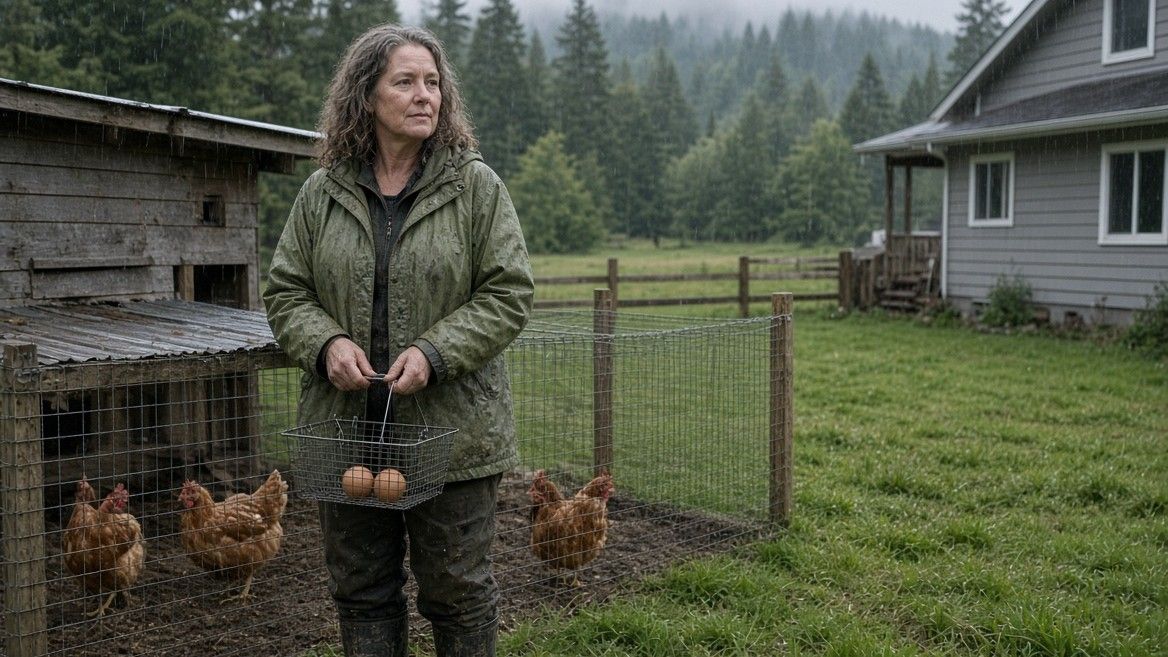
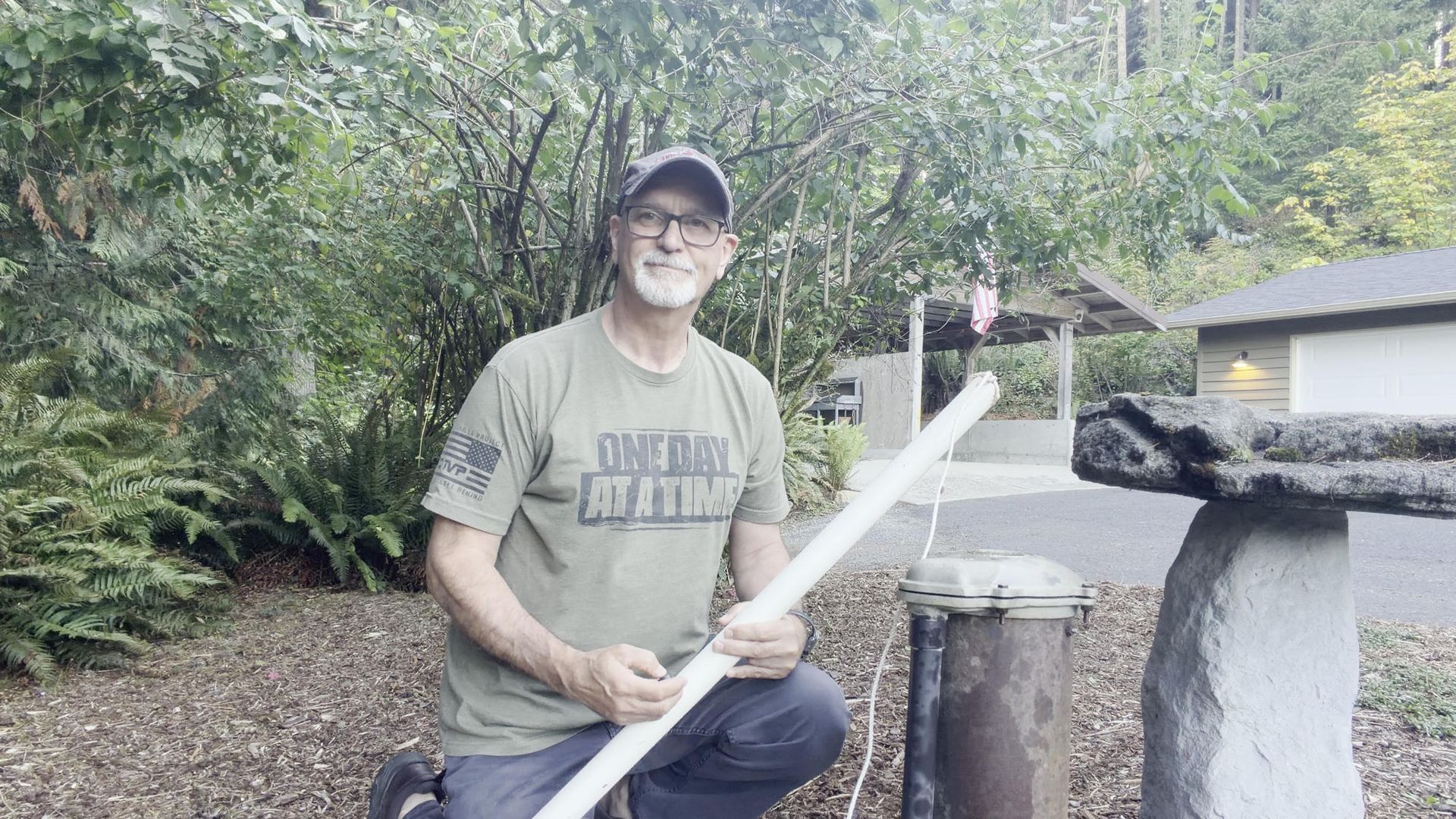
- Rural: Add a rain barrel (if legal and clean), well-hand-pump knowledge, or a simple gravity filter. Know how to purify stream or pond water if accessible.
- Add a portable filter (Sawyer Mini or similar) and purification tablets as a backup.
- Goal checkpoint: 3 gallons per person stored and accessible within 24 hours of deciding to start.
2. Food — Next Critical Need
Focus on shelf-stable, no-cook or minimal-cook items that require little water or fuel.
Actionable tips
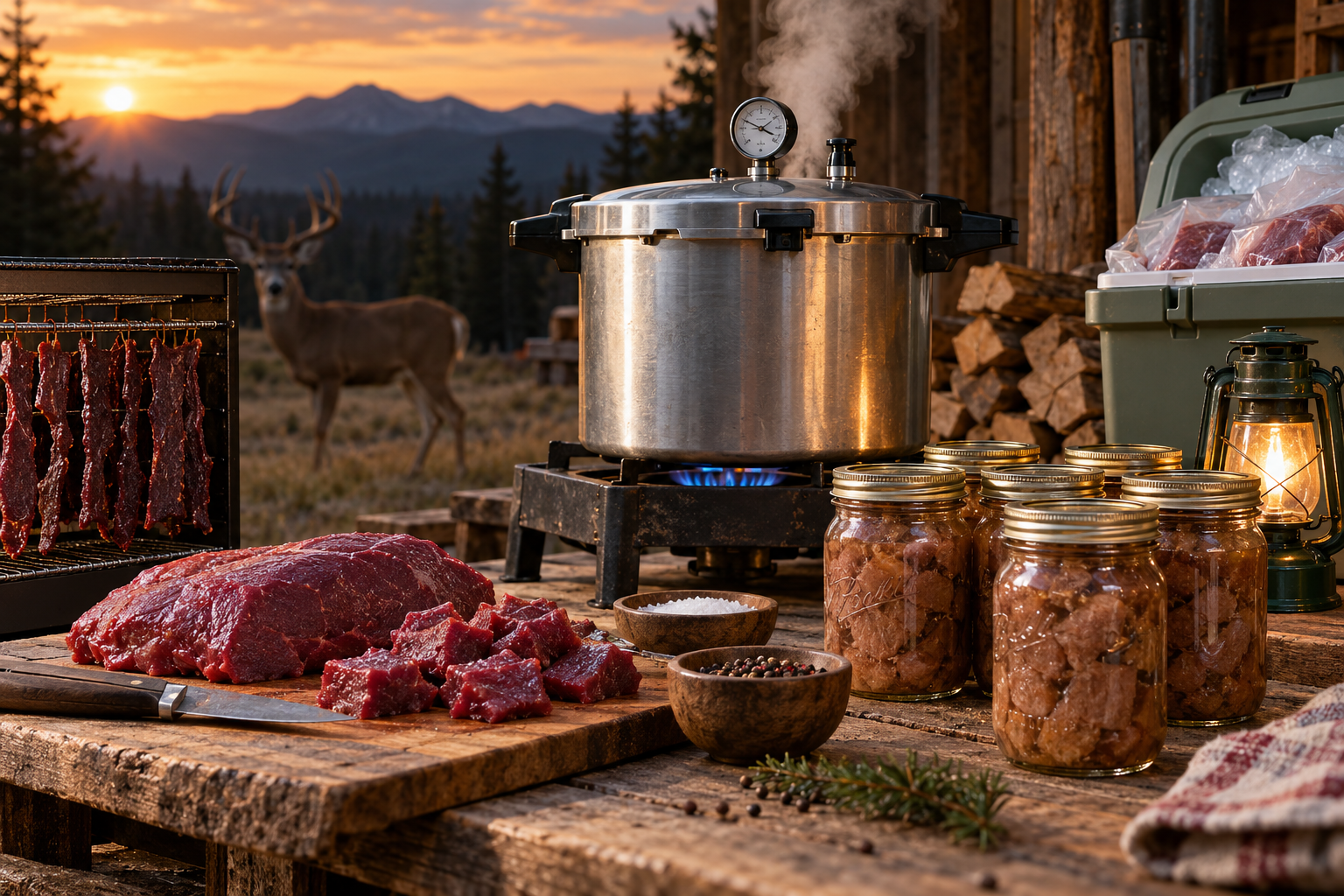
- Begin with a 3-day pantry of ready-to-eat foods: canned meats, beans, fruits, vegetables, peanut butter, crackers, energy bars, dried fruit, nuts, and instant rice or oatmeal.
- Expand to 2 weeks by adding rice, pasta, beans, powdered milk, and multivitamins. Calculate roughly 2,000+ calories per adult per day.
- Choose foods you already eat so nothing goes to waste. Rotate by using older items first.
- Urban: Maximize vertical storage (under beds, closet shelves). Focus on lightweight, compact options.
- Rural: Use root cellars, cool basements, or outdoor sheds if temperature-stable. Consider longer-term dry goods and a small garden starter kit later.
- Include a manual can opener, basic cooking method (camp stove with fuel or rocket stove if space allows), and utensils.
- Goal checkpoint: 3 days of no-cook food per person, then scale to 2 weeks while keeping a written inventory.
3. Shelter and Warmth
Protect yourself from weather and temperature extremes. This includes staying in place or having a backup option.
Actionable tips
- Seal drafts, have plastic sheeting and duct tape for broken windows, and keep warm layers, blankets, and sleeping bags ready.
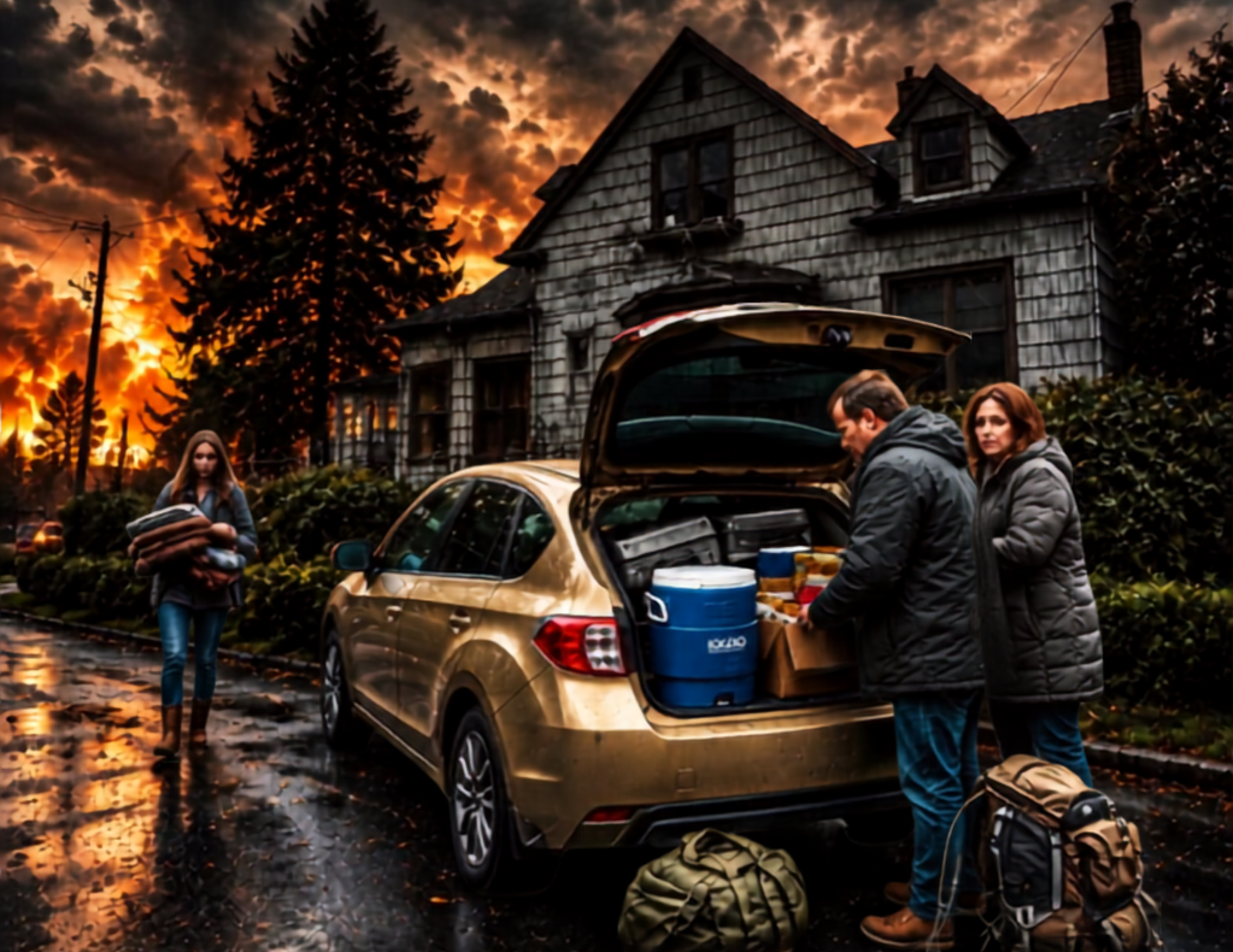
- Urban: Focus on apartment insulation, blackout curtains, and a plan for staying put or moving to a designated building area. Pack a small “go-bag” with a change of clothes and rain gear if evacuation becomes necessary.
- Rural: Check roof, windows, and doors. Have tarps, rope, and basic tools for temporary repairs. Know safe rooms or higher ground for flood/wildfire risk.
- Add hand/foot warmers, a wool blanket, and a simple shelter-in-place kit (plastic, tape, towels).
- Goal checkpoint: Ability to stay warm and dry for 3 days without external power or heat.
4. Medications and First Aid
Chronic medications and basic injury care come next. Running out of prescriptions or being unable to treat cuts and infections quickly becomes dangerous.
Actionable tips
- List every prescription and over-the-counter medicine you use. Request a 30–90 day extra supply from your doctor or pharmacy when possible. Store in a cool, dry place with copies of prescriptions.
- Build a basic first-aid kit: adhesive bandages, gauze, antiseptic wipes, antibiotic ointment, pain relievers, tweezers, scissors, gloves, and any personal items (allergy meds, insulin supplies, etc.).
- Add a first-aid manual or printed guide. Take a short basic first-aid/CPR class if available.
- Urban and rural both benefit from the same kit; rural users may add more trauma supplies or snakebite knowledge depending on location.
- Goal checkpoint: 30 days of critical medications plus a stocked, labeled first-aid kit that fits in a tote or backpack.
5. Light
Darkness increases risk of injury and stress. Reliable light is simple and high-impact.
Actionable tips
- Start with LED flashlights and headlamps (one per person) plus extra batteries stored separately.
- Add several packages of long-lasting candles, glow sticks, and a couple of battery-powered lanterns.
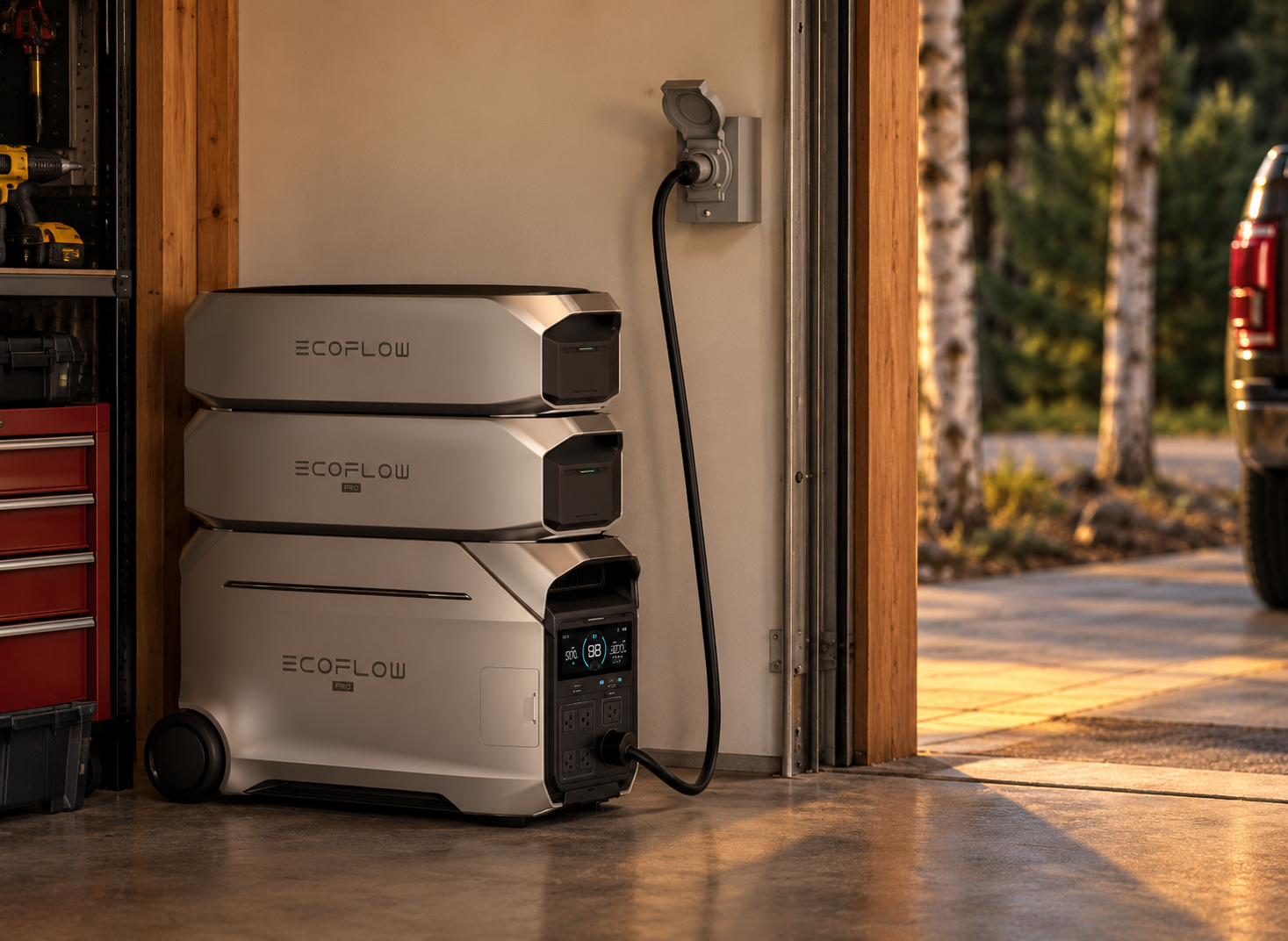
- Consider a small solar charger or hand-crank light for longer outages.
- Urban: Emphasize compact, multi-use lights that fit limited storage.
- Rural: Add outdoor-rated lights and possibly a solar yard light or generator knowledge later.
- Goal checkpoint: Enough light sources and batteries for 3–7 nights of intermittent use without electricity.
Practical Next Steps This Week
1. Write down household size (people + pets) and calculate 3-day water and food needs.
2. Buy or gather water containers and a starter set of shelf-stable food.
3. Assemble or buy a basic first-aid kit and check medication supplies.
4. Place flashlights and batteries in key locations (bedside, kitchen, exit).
5. Create a one-page inventory list and put it with your supplies.
Urban residents often face limited space and higher reliance on public infrastructure, so prioritize compact storage and water purification. Rural residents usually have more space and possible natural water sources but may face longer response times and greater isolation, so emphasize self-sufficiency and repair tools.
Preparation is incremental. Hitting the 3-day mark for water, food, shelter basics, medications/first aid, and light already puts you ahead of most people. Expand from there according to your risk, space, and budget. Consistency beats perfection.
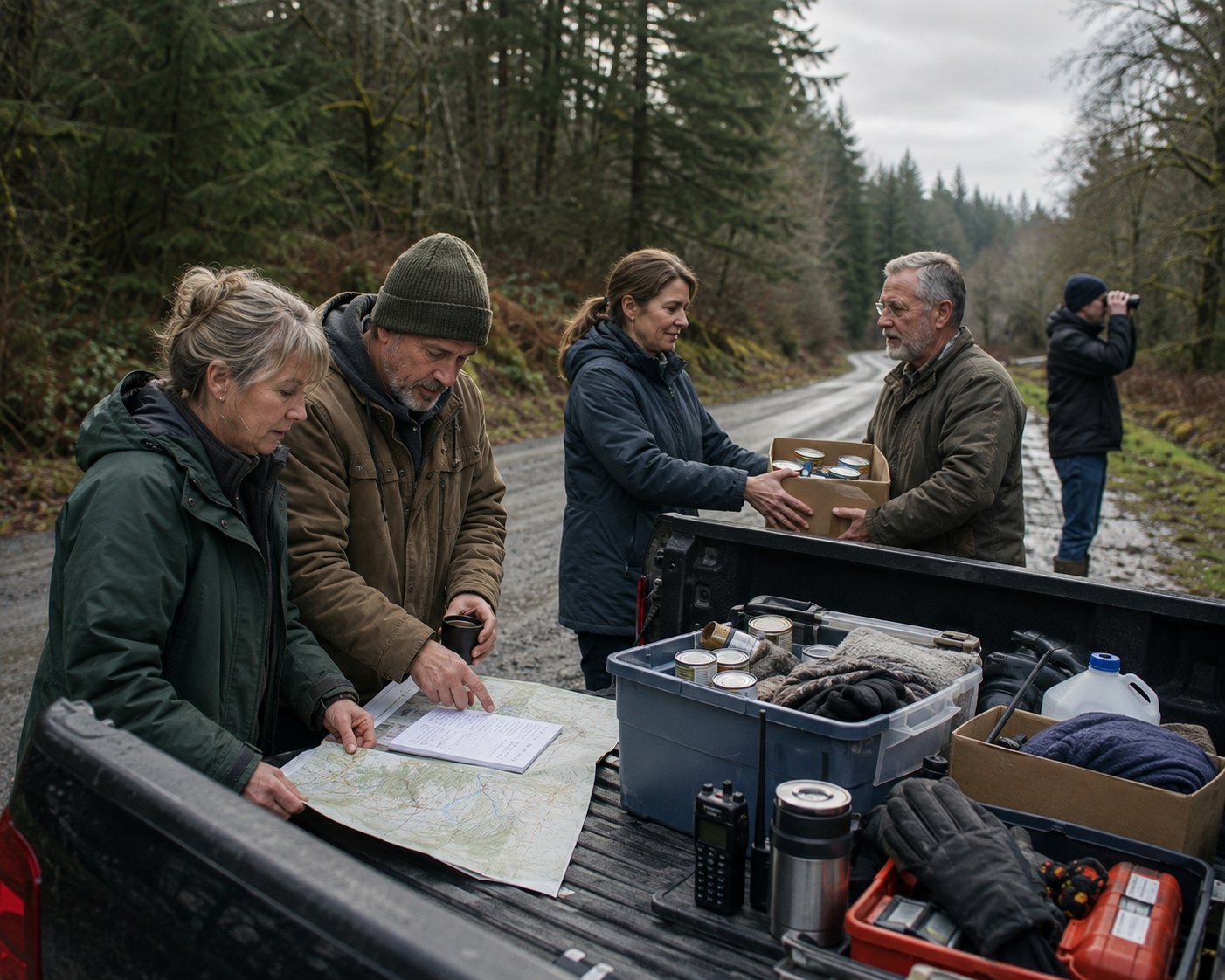
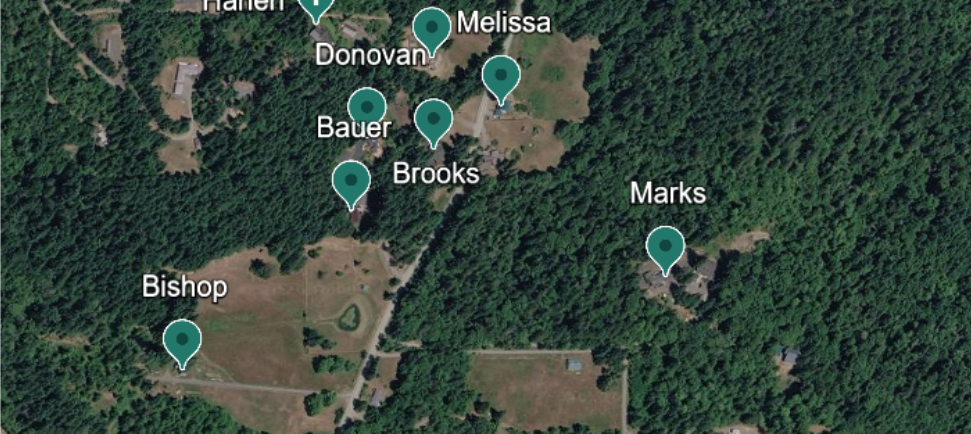
Preparedness is only the beginning. The Ridge Plan explores what happens when stored supplies are no longer enough—and ordinary neighbors must turn preparation into decisions, trust, and survival.