It Doesn’t Matter Why the Grid Goes Down. Your Plan Should Be the Same.

Subscribe to Reader Resources via RSS.

A practical roadmap to getting prepared, wherever you live and whatever resources you have.

What would happen if the electrical grid went down tomorrow?


Would it be a cyberattack? A foreign adversary? An electromagnetic event? A severe geomagnetic storm? A major earthquake? Physical damage to critical infrastructure? Or simply a cascading failure caused by equipment that nobody thought would fail?


There is a lot of discussion about what might cause the next major grid failure.


Some of that discussion is useful. Understanding the threats we face helps us recognize vulnerabilities and make better decisions.


But here’s something I think gets overlooked:


You don’t have to know why the grid goes down to know what your household will need when it does.


Regardless of the cause, losing electricity for an extended period can create a familiar set of problems:


  • Water systems may stop working.
  • Refrigerators and freezers eventually become unreliable.
  • Grocery stores cannot replenish inventory.
  • Fuel distribution becomes difficult.
  • Communications become unreliable.
  • Banking and electronic payments may be disrupted.
  • Heating and cooling systems may stop functioning.
  • Emergency services may become overwhelmed.
  • Transportation and supply chains may be interrupted.


The severity and duration will vary depending on the event. Some emergencies will require evacuation. Others may make staying home the safest option.


But the fundamental questions remain remarkably consistent.


Where will your water come from? What will you eat? How will you prepare it? How will you stay warm? How will you communicate? What happens when you need medical assistance? Who can you depend on?


Those are the questions worth answering now.


You don’t need to predict the next crisis. You need a plan for living without the systems you currently depend on.


Start Here: Find Your Preparedness Starting Point


Not everyone begins in the same place.


Some households have a few days of food and water. Others have backup generators, gardens, stored fuel, and years of preparedness experience.


Some live in apartments with limited storage. Others have rural properties, wells, livestock, and room to produce food.


There is no single preparedness plan that works for everyone.


The following roadmap is designed to help you identify where you are, what needs attention, and which direction to go next.


Think of it as a starting point rather than a checklist you must complete all at once.


1. I’m Just Getting Started


Your situation: You haven’t done much preparation. Perhaps you have a flashlight, a few batteries, and some extra canned food.


That’s okay. Everyone starts somewhere.


Don’t begin by purchasing expensive equipment or filling your garage with supplies.


Start by identifying what your household actually needs.


Make a list of:


  • Everyone who lives in your household.
  • Prescription medications and medical requirements.
  • Daily water consumption.
  • Food requirements and dietary restrictions.
  • Heating and cooling needs.
  • Essential electrical equipment.
  • Pets and their requirements.
  • Transportation and communication needs.


Then identify what would happen if electricity, water, and normal shopping became unavailable for several days.


Your first priorities:


  1. Drinking water.
  2. Shelf-stable food.
  3. Flashlights and batteries.
  4. First-aid supplies.
  5. Prescription medications.
  6. A way to receive emergency information.
  7. A basic sanitation plan.


Don’t worry about reaching 30 days immediately.


Start with three days, then build toward seven.


The objective is to establish a foundation you can expand.


Your next step: Read  The 30-Day Preparedness Goal Guide⁠.


It walks through the transition from a basic 72-hour emergency kit to a more comprehensive household plan.


2. I Have a 72-Hour Kit. What’s Next?


Your situation: You’ve followed conventional emergency guidance. You have some stored food, water, flashlights, and basic emergency supplies.


That’s a good beginning.


But three days of supplies aren’t necessarily a long-term preparedness plan.


Consider what happens on Day 4.


Your refrigerator contents may no longer be safe. Your stored water may be running low. You may have used some of your medical supplies. Your cooking fuel may be disappearing.


And unlike a localized emergency, a nationwide grid failure could affect the same supply systems that would normally replenish your household.


You can’t assume that a grocery store, gas station, or emergency shelter will be available.

Your next step is to move from storing supplies to building systems.


Ask yourself:


  • Can I obtain and treat additional water?
  • Can I prepare food without electricity?
  • Can I maintain sanitation?
  • Can I keep essential equipment operating?
  • Can I manage without electronic payments?
  • Can I stay informed without the internet?


Your next step: Work toward a 30-day household plan.


Read The 30-Day Preparedness Goal Guide⁠.


Don’t treat 30 days as a magic number. It’s a useful planning milestone, not a guarantee that services will return.


3. I Need a Realistic Food Plan


Your situation: You understand the importance of food storage, but you don’t have a homestead, acres of farmland, or unlimited storage space.


You may live in an apartment, a suburban neighborhood, or on a small rural property.


Here’s where I think conventional preparedness advice often misses the mark.


People are frequently told to purchase large quantities of freeze-dried meals, build a substantial pantry, or start a garden.


Those can all have a place.


But food preparedness should be more comprehensive than simply accumulating calories.


Think about food in three stages:


Stage One: Store it.


Build a supply of foods your household already eats.


Include carbohydrates, protein, fats, fruits, vegetables, and foods that require little preparation.


Pay attention to calories, nutritional value, shelf life, and the water and fuel needed to prepare them.


Stage Two: Prepare it.


Learn to cook without electricity.


Practice preparing meals with alternative cooking equipment. Understand fuel consumption. Learn to preserve food safely.


Having 100 pounds of rice doesn’t help much if you cannot cook it.


Stage Three: Produce or obtain it.


This is where your circumstances matter.


A small garden, container vegetables, fruit trees, fishing, foraging where legal, or relationships with local food producers may all contribute.


You don’t need to produce everything you eat.


You need to understand what additional food sources are realistically available to you.


I call this developing a First Calorie Path.


Start with what you can actually produce or obtain, rather than imagining an ideal homestead you may never own.


Your next steps:


⁠

The objective is to move beyond a finite food supply and begin developing the ability to replenish at least some of what you consume.


4. I Depend on Municipal Water or an Electric Well Pump


Your situation: You turn on the faucet and expect water to come out.


Most of us do.


But water infrastructure depends on electricity, treatment facilities, pumping stations, distribution systems, and other supporting infrastructure.


A household with a private well has its own vulnerability. The water may still be underground, but the electric pump may not work.


Consider two separate problems:


Having water available.


How much water do you have stored? What is your alternative source? Can you access it safely?


Making water safe to use.


Do you have appropriate filtration and treatment equipment? Do you know how to use it? Can you store treated water safely?


Don’t assume that a nearby stream, pond, or well automatically provides safe drinking water.


Also remember that water isn’t just for drinking.


You need it for cooking, personal hygiene, cleaning, and sanitation.


If your household depends on an electrically powered well, understand the electrical requirements of the pump before purchasing a generator or battery system.


Your next steps:


  • Calculate your household’s water requirements.
  • Establish an initial stored supply.
  • Identify an alternative water source.
  • Develop a treatment and storage plan.
  • Determine how your well pump or municipal system might be affected.


Explore the water and sanitation resources in the Behind the Fiction article library⁠.


5. I Need Backup Power, Heat, and Communications


Your situation: You understand that electricity is essential, but you’re unsure what kind of backup system makes sense.


This is where people can spend a tremendous amount of money without necessarily solving their most important problems.


Before buying a generator, solar panels, or a large battery system, identify what you actually need to power.

Make a list of essential electrical loads:


  • Well pump.
  • Refrigerator or freezer.
  • Medical equipment.
  • Communications equipment.
  • Lighting.
  • Battery charging.
  • Essential heating controls.


Determine the starting wattage and running wattage of equipment that requires it.


Then consider how many hours each item needs to operate.


A generator that can run everything for a few hours may not be the best solution for a household that needs to operate essential equipment around the clock.


Sometimes a smaller generator used to recharge a battery system is a more practical approach than attempting to power an entire house continuously.


Heating deserves separate attention.


A home that depends entirely on an electric furnace may become uncomfortable or unsafe surprisingly quickly during cold weather.


Understand your alternatives and their fuel requirements. Never operate combustion equipment indoors or in an enclosed space.


Communications are equally important.


A cell phone is useful only while the supporting network remains available. Consider a battery-powered emergency radio, appropriate two-way radios, and a household communications plan.


Your next steps:


  1. Inventory essential electrical loads.
  2. Determine your actual backup power requirements.
  3. Establish a safe alternative heating plan.
  4. Develop backup communications.
  5. Test your equipment before an emergency.


Don’t buy equipment first and figure out how to use it later.


6. I Have Supplies, But I Don’t Have a Community


Your situation: You have food, water, equipment, and perhaps a backup power system.


But have you considered who you will depend on when the emergency lasts longer than expected?

This may be the most important part of preparedness.


A single household has limitations.


You cannot be a doctor, electrician, mechanic, farmer, communications specialist, and security professional simultaneously.


You may have supplies, but someone else may have skills you need.


Someone may have a tractor. Someone else may know how to repair an engine. Another neighbor may have medical experience. Someone else may know how to preserve food or operate communications equipment.


Those relationships have value long before an emergency occurs.


Start by getting to know your neighbors.


Learn what skills and resources exist in your immediate community.


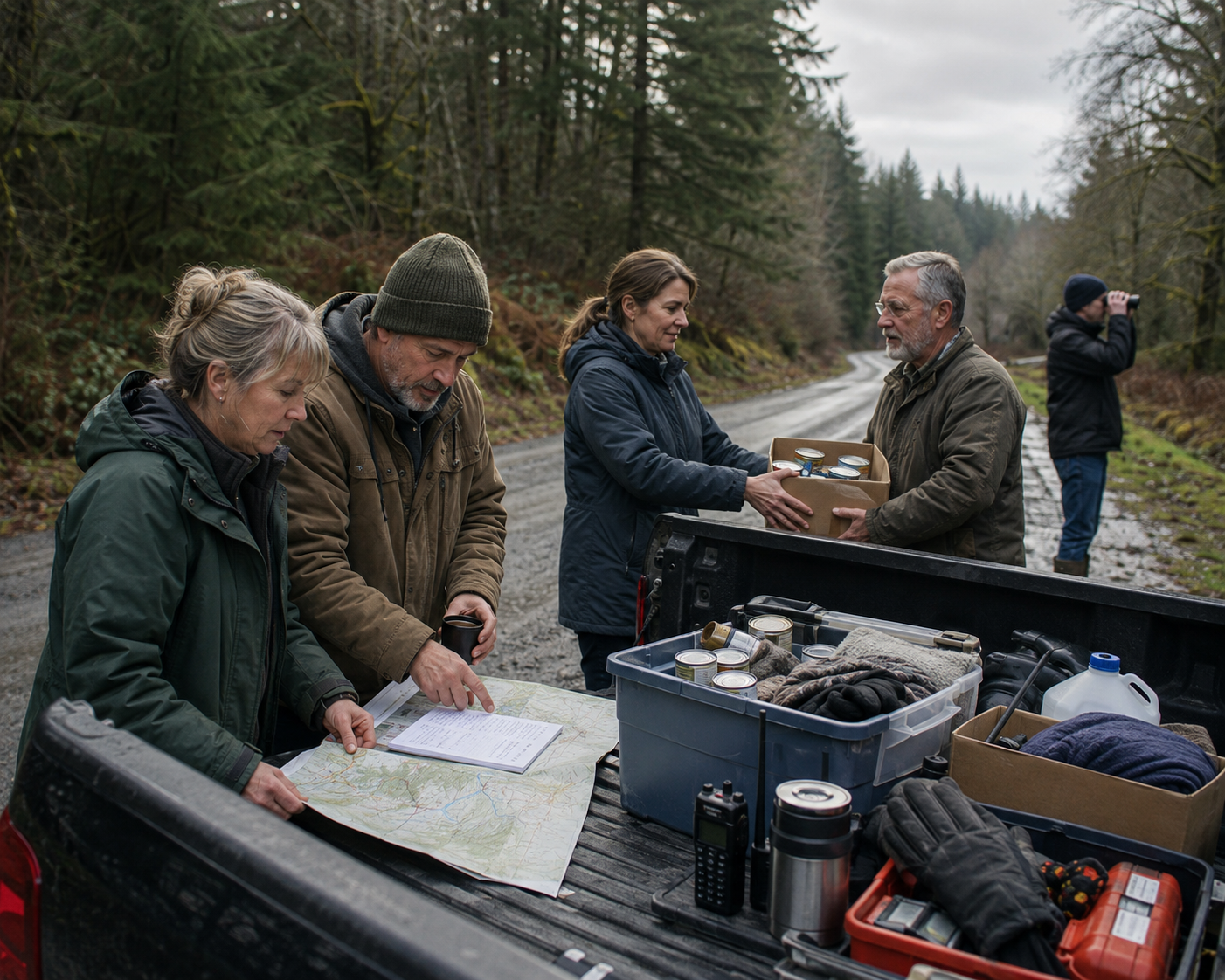
Consider organizing informal conversations about:


  • Medical capabilities.
  • Communications.
  • Water resources.
  • Food production.
  • Equipment and repairs.
  • Transportation.
  • Shared labor.
  • Mutual assistance.


This doesn’t require creating a formal preparedness organization.


It begins with relationships.


And remember, community isn’t simply about what someone else can provide for you.

It’s also about what you can contribute.


Your next step: Read Skills, Not Stuff: The Preparedness Advantage Nobody Can Buy⁠.


Your Living Situation Changes the Plan


The fundamentals of preparedness are consistent, but the solutions depend heavily on where you live.

Consider these differences.


Urban Apartment


Your biggest challenges may include:


  • Limited storage space.
  • Access to drinking water.
  • Sanitation without municipal services.
  • Limited cooking options.
  • Evacuation planning.
  • Building relationships with nearby neighbors.


Suburban Home


Your biggest challenges may include:


  • Food storage and rotation.
  • Backup electricity.
  • Heating and cooling.
  • Alternative cooking.
  • Neighborhood cooperation.
  • Water storage and sanitation.


Rural Property


Your biggest challenges may include:


  • Dependence on electric well pumps.
  • Fuel storage and transportation.
  • Backup power.
  • Limited access to emergency services.
  • Communications over longer distances.
  • Isolation from other people and resources.


Homestead


Your biggest challenges may include:


  • Food production and preservation.
  • Livestock care.
  • Water availability.
  • Equipment maintenance.
  • Fuel and labor requirements.
  • Protecting and managing productive resources.


Mobile Lifestyle


Your biggest challenges may include:


  • Vehicle reliability.
  • Fuel availability.
  • Portable food and water supplies.
  • Alternative destinations.
  • Communications.
  • Identifying safe places to stop or relocate.


For example, someone living in an apartment may not have the ability to install solar panels or store hundreds of gallons of water.


That doesn’t mean they cannot prepare.


They may need to emphasize portable water storage, shelf-stable food, battery-powered equipment, alternative cooking arrangements where safe and permitted, and relationships with nearby people.


Someone living on a rural property may have more space and resources, but also greater dependence on private wells, generators, fuel, and transportation.


Neither situation is automatically better.


Both have strengths and weaknesses.


The important thing is to recognize yours.


A Practical 30-Day Starting Roadmap


If you’re wondering what to do first, here’s a simple way to organize the work.


Days 1–7: Establish the foundation


  • Inventory your existing supplies.
  • Calculate water requirements.
  • Build an initial drinking-water supply.
  • Inventory food and medications.
  • Establish lighting and basic communications.
  • Identify household medical requirements.


Days 8–14: Build household systems


  • Expand your food supply.
  • Establish alternative cooking.
  • Identify water treatment options.
  • Develop a sanitation contingency.
  • Establish backup heating arrangements.
  • Calculate essential electrical requirements.


Days 15–21: Develop practical capabilities


  • Practice alternative cooking.
  • Learn water treatment.
  • Develop food preservation skills.
  • Learn basic first aid.
  • Test backup power and communications.
  • Meet neighbors and discuss mutual assistance.


Days 22–30: Test your plan


  • Conduct a household power-outage exercise.
  • Prepare meals without grid electricity.
  • Test your communications.
  • Evaluate water and sanitation arrangements.
  • Identify weaknesses.
  • Make corrections.


Don’t confuse completing a 30-day checklist with becoming completely self-sufficient.

Preparedness is an ongoing process.


The goal is to become progressively more capable and less dependent on systems that may not always be available.


One More Thing: Don’t Assume You’ll Stay Home


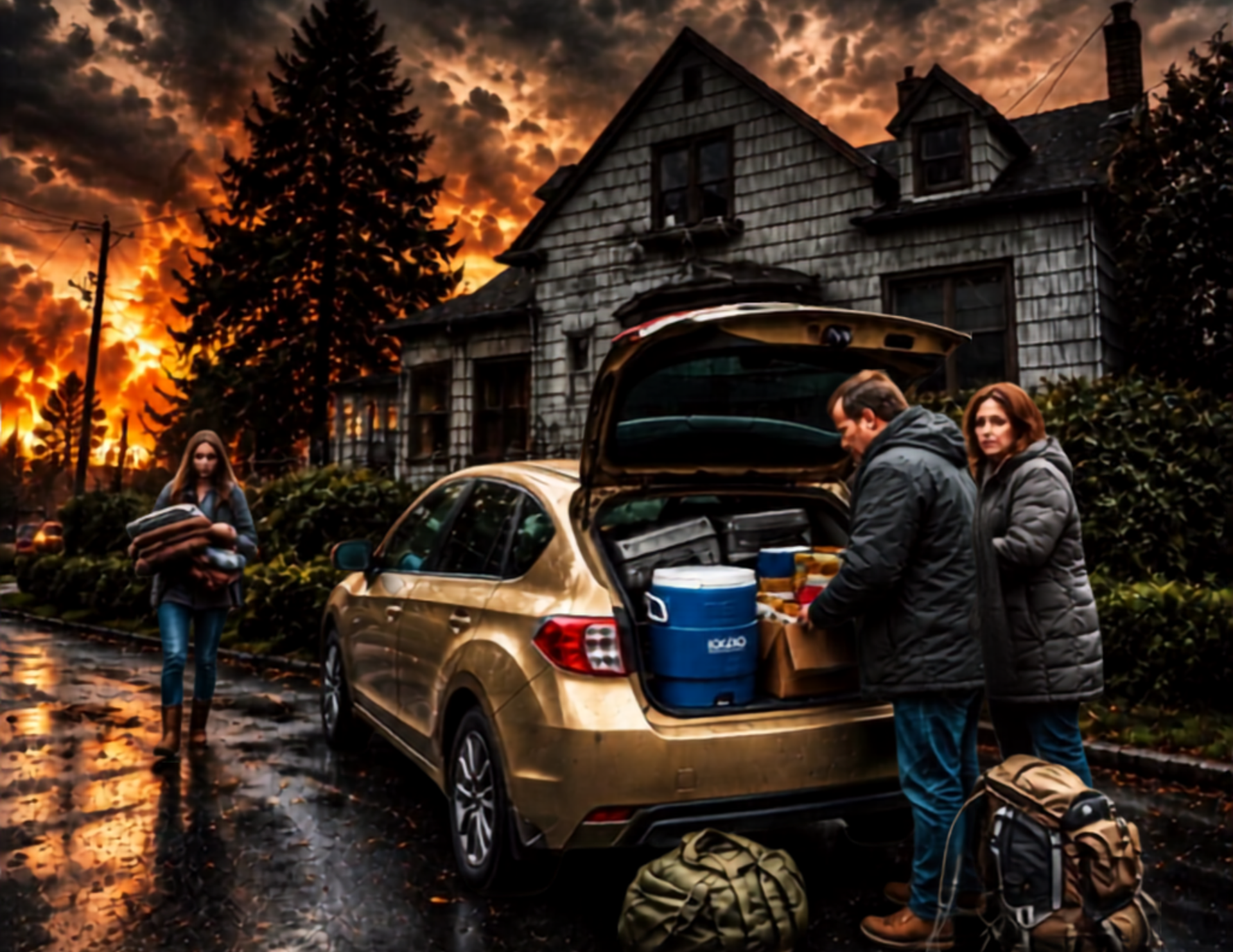
A good preparedness plan includes the possibility that staying home is no longer safe.


A wildfire, earthquake, structural damage, flooding, or another localized emergency may require evacuation even when your household has adequate supplies.


Know your local hazards.


Understand evacuation routes.


Keep essential documents accessible.


Maintain a vehicle that is ready to travel.


Have a destination in mind and a way to communicate with family members if you become separated.

Preparedness isn’t about refusing to leave.


It’s about having the ability to make an informed decision.


Sometimes staying is the right decision.


Sometimes leaving is.


Judgment matters.


The Bottom Line: Prepare for the Consequences, Not Just the Cause


We can spend an enormous amount of time debating what might bring down the electrical grid.


Some people focus on cyberattacks. Others worry about foreign adversaries, EMP, geomagnetic storms, physical attacks, or aging infrastructure.


Those discussions have their place.


But I would argue that the more important question is:


What happens to your household when the systems you depend on are no longer available?


You don’t need to know the exact cause to start answering that question.


You need a water plan.


  • A food plan.
  • A way to cook.
  • A sanitation plan.
  • A power and heating strategy.
  • Communications.
  • Medical supplies.
  • Practical skills.
  • And people you can depend on.


You don’t have to accomplish everything this month. You don’t have to own a homestead, buy an expensive generator, or fill an entire room with supplies.


Start where you are.


Identify your biggest weakness.


Work on it.


Then move to the next one.


And don’t overlook the people around you.


A household can store a tremendous amount of food and equipment, but there are limits to what one family can accomplish alone.


The strongest preparedness plans recognize that community is a resource just as important as anything you can purchase.


That’s one of the central ideas behind my novel, The Ridge Plan.


When the grid goes down, ordinary people discover that the decisions they make, the skills they possess, and the relationships they’ve built may matter more than the equipment they own.


The cause of the failure may be uncertain.


The work that follows isn’t.


Gear matters. Judgment matters more. Community matters most.


Start preparing today. Don’t wait for someone to announce that it’s time.


Prefer preparedness through fiction?
The Ridge Plan follows five ordinary households trying to organize after foreign actors take down the grid.
Read a free sample →

Never miss an article. Subscribe FREE to get notified when a new article is published!

Preparedness is only the beginning. The Ridge Plan explores what happens when stored supplies are no longer enough—and ordinary neighbors must turn preparation into decisions, trust, and survival.

A Truck Toolbox Can Become a Faraday Cage.
By R.T. Fagan • November 9, 2026
You don’t need an expensive, specialized Faraday enclosure to protect some of your household electronics. A used aluminum truck toolbox may already give you most of what you need to get started.
Twilight Road to the Valley Homestead during grid down.
By R.T. Fagan • November 8, 2026
Looking for books like One Second After ? Discover realistic grid-down fiction about ordinary people, community decisions, and survival under pressure.
You can buy supplies. You can buy equipment. But you have to develop skills.
By R.T. Fagan • November 2, 2026
Preparedness equipment can be purchased. Judgment, practiced skills, and the ability to work with other people must be built before the crisis.
Iran has already shown an interest in American infrastructure
By R.T. Fagan • October 31, 2026
The next attack on Iran may not be answered only in the Middle East. A weakened regime with limited conventional options has reasons to look for ways to impose costs on the United States at home. And America’s electrical infrastructure presents an attractive target. When Americans think about a military conflict with Iran, they tend to picture events unfolding thousands of miles away: missile exchanges, naval confrontations, airstrikes, and attacks on U.S. bases across the Middle East. But there is another possibility worth taking seriously. What happens if Iran decides that the best way to retaliate against the United States is not to attack another military installation overseas, but to create disruption here at home? A sustained power outage would affect far more than the lights in our homes. Electricity supports water systems, communications, fuel distribution, transportation, hospitals, food storage, financial transactions, and countless other services. Disrupting it could impose costs on ordinary Americans and create pressure on the government without Iran having to win a conventional military confrontation. That does not mean Iran can simply switch off the American grid. It does mean the possibility of cyberattacks against U.S. energy infrastructure deserves serious attention—particularly if the conflict escalates. And this is not a threat invented by preparedness enthusiasts. American intelligence and law-enforcement officials have been warning about it for years. A regime under pressure has reasons to retaliate asymmetrically A government facing the possibility of losing its military capabilities, leadership, or even control of the country may calculate risk differently from a government enjoying a stable position. Iran has spent decades building asymmetric capabilities. These include missiles, drones, regional proxy organizations, maritime disruption, and cyber operations. Those tools give Tehran ways to impose costs on stronger opponents without matching their conventional military power. If additional U.S. strikes threaten the survival of the Iranian regime, retaliation could extend beyond the immediate battlefield. The phrase “nothing to lose” is understandable, but it is not quite accurate. Iranian leaders still have plenty to lose: control of the country, the survival of the regime, economic assets, and the possibility of preserving some influence after the conflict. But a leadership that believes its survival is at stake may become more willing to accept risks that would otherwise be unacceptable. Cyber operations are one way to retaliate while avoiding a direct military confrontation with the United States. The warning about America's infrastructure has been public for years In January 2024, FBI Director Christopher Wray delivered sworn testimony before the House Select Committee on the Chinese Communist Party. He warned that Chinese government hackers were targeting American critical infrastructure, specifically naming water treatment plants, the electrical grid, oil and natural gas pipelines, and transportation systems. Wray said Chinese hackers were positioning themselves inside American infrastructure networks in preparation to cause real-world harm. He described the activity as an effort to find and prepare to destroy or degrade the civilian infrastructure that keeps Americans safe and prosperous. This was not a hypothetical warning about what a foreign adversary might someday attempt. The FBI and its partners had already identified and disrupted access associated with a Chinese state-sponsored campaign known as Volt Typhoon. The significance is straightforward: a foreign government had demonstrated an interest in maintaining access to the systems Americans depend on, potentially for use during a future conflict. FBI Director Wray's January 31, 2024 testimony . We have already demonstrated that cyberattacks can cause physical damage There is another important piece of history that is often misunderstood. In 2007, researchers at Idaho National Laboratory conducted what became known as the Aurora experiment. Under federal direction, they remotely manipulated the control systems of a diesel generator. The experiment caused the generator to operate in a destructive manner, physically damaging it. The Government Accountability Office later documented the test. The generator required extensive repairs or a complete overhaul before it could operate again. That was a real physical demonstration: cyber manipulation of industrial control systems caused physical damage to electrical equipment. GAO report GAO-15-749 . There is also research specifically involving transformers. A 2022 IEEE Access paper, Design and Emulation of Physics-Centric Cyberattacks on an Electrical Power Transformer, examined how cyberattacks could manipulate transformer operating conditions and produce damaging physical effects. It is important to understand the distinction: the Aurora experiment physically damaged a generator. The transformer research used computer-based emulation. It did not demonstrate the destruction of a full-scale American high-voltage transformer. But together, these examples establish something important: cyberattacks against industrial control systems are not necessarily limited to stealing information or temporarily interrupting computer networks. Under the right conditions, they can have physical consequences. Iran does not need to destroy the entire grid The American electrical system is enormous, geographically distributed, and made up of interconnected regional networks. It is not one giant switch. That complexity provides resilience, but it also creates a large attack surface. Utilities operate different equipment, software, networks, and security systems. Some industrial control equipment is older, and some systems have connections that create cybersecurity risks. A successful attack against one utility would not automatically cause a nationwide blackout. Nor would damaging one transformer necessarily bring down an entire region. But an adversary does not necessarily need to cause a nationwide blackout to achieve its objectives. Disrupting selected utility operations, interfering with control systems, damaging equipment, or creating uncertainty about the reliability of electricity could have serious consequences. A regional outage lasting days is already a major emergency. A longer disruption involving multiple services would be considerably worse. The Center for Strategic and International Studies has examined these risks in the context of the Iran conflict. Its April 2026 analysis noted that Iran does not have long-range weapons capable of physically damaging energy infrastructure inside the continental United States, but that cyber operations and other forms of disruption present a different set of concerns. The same analysis described the presence of foreign adversaries, particularly China, inside U.S. critical infrastructure networks and the potential consequences of using that access during a conflict. CSIS: Iran Conflict Heightens Cyber Threats to U.S. Energy Infrastructure . Iran has already shown an interest in American infrastructure Iran's cyber capabilities should not be confused with China's. They are not identical, and there is no public evidence that the two countries are jointly planning an attack on the American electrical grid. But Iran has its own history of targeting U.S. infrastructure. In 2023 and 2024, Iran-linked actors targeted internet-connected industrial control systems. More recently, U.S. agencies issued warnings about Iranian-affiliated cyber actors exploiting programmable logic controllers—industrial computers used to monitor and control equipment—in American critical infrastructure. In July 2026, CISA, the FBI, the EPA, and other federal partners updated their advisory on Iranian-affiliated actors targeting these systems. The advisory described unauthorized access and disruption affecting organizations across multiple critical infrastructure sectors. That matters because programmable logic controllers are not ordinary office computers. They can be involved in the operation of pumps, motors, valves, and other industrial equipment. The attacks do not establish that Iran can destroy the American grid. They do demonstrate that Iranian-linked actors are willing to target the kinds of systems that operate essential services. Read the July 2026 federal advisory on Iranian-affiliated cyber activity . Where China enters the picture The possibility of Chinese assistance adds another dimension to this threat. China and Iran have a strategic relationship, but it is important not to exaggerate it. Beijing has not given Tehran a formal defense guarantee, and China has substantial economic interests throughout the Middle East that it would not want to jeopardize. Still, China has reasons to keep Iran economically and militarily viable. The U.S.-China Economic and Security Review Commission reported in March 2026 that China purchased approximately 90 percent of Iran's exported oil. Those purchases generated an estimated $31.2 billion in Iranian oil revenue during 2025. The Commission also documented Chinese networks helping Iran evade sanctions and obtain dual-use technologies relevant to missile and drone programs. Chinese components have been found in Iranian drones, and reports indicated that Chinese ports allowed Iranian vessels to load sodium perchlorate, a key ingredient in solid rocket fuel. China has also given Iran access to its BeiDou satellite navigation system, although the extent of its military use remains unclear. These are meaningful forms of support. They do not prove that China is directing Iranian military operations or providing Iran with access to American infrastructure. U.S.-China Economic and Security Review Commission: China-Iran Fact Sheet, March 2026 . Why would Beijing help Tehran? One reason is strategic distraction. A prolonged conflict in the Middle East consumes American military resources, intelligence capacity, diplomatic attention, and political capital. Those are resources the United States might otherwise devote to the Indo-Pacific. China may see value in helping Iran remain capable of imposing costs on the United States, while avoiding a direct confrontation with American forces itself. That is a strategic calculation, not proof of a joint cyber operation. There is also a distinction between what China has already done and what it might do. Chinese-linked activity inside U.S. critical infrastructure networks has been documented. Chinese economic and technology support for Iran has also been documented. Public evidence does not establish that Beijing has connected the two by providing Iran with access to American grid systems. That distinction matters. We should take the documented threat seriously without inventing a connection that has not been proven. The real concern is the combination of capabilities Consider the separate pieces: Iran has a demonstrated willingness to use cyber operations against U.S. infrastructure. China has demonstrated the ability and intent to establish persistent access inside American critical infrastructure networks. The United States has publicly acknowledged that adversaries are positioning themselves for possible future disruption. Cyber manipulation of industrial control systems has been shown to cause physical damage to electrical equipment. A conflict that threatens the survival of Iran's leadership could increase Tehran's incentive to retaliate against the United States in ways that avoid direct military confrontation. These facts do not prove that an Iranian attack on the American grid is imminent, or that China would participate in one. But they do establish why the possibility should not be dismissed. The March 2026 Annual Threat Assessment from the Office of the Director of National Intelligence warned that China, Russia, Iran, North Korea, and criminal cyber groups would continue seeking access to U.S. government, private-sector, and critical infrastructure networks. It specifically noted that these actors could pre-position or execute disruptive and destructive attacks. The assessment also identified China as the most active and persistent cyber threat, while recognizing Iran as a continuing threat to U.S. networks and infrastructure. The danger is not necessarily a single sophisticated operation that shuts down the country. It may be a combination of smaller attacks, disruptions, equipment failures, and uncertainty that makes an already difficult emergency harder to manage. 2026 Annual Threat Assessment of the U.S. Intelligence Community . What does this mean for ordinary Americans? A grid-down emergency does not begin when the lights go out. It begins when the systems we depend on stop working. Water pumps need electricity. Fuel stations need electricity. Grocery stores depend on refrigeration, transportation, and electronic payment systems. Communications networks need power. Hospitals have backup systems, but those systems depend on fuel, maintenance, and resupply. The longer an outage lasts, the more these dependencies matter. And there is a difference between preparing for a short power failure and preparing for a prolonged disruption. A few flashlights and a couple of cases of bottled water are useful, but they are not a resilience plan. Households should consider: Water: Have a dependable supply and a way to treat additional water. If your home relies on a well, remember that the pump may not operate when the grid is down. Food: Store food your household actually eats and knows how to prepare. Include foods that require little water and minimal cooking fuel. Cooking: Have a safe backup cooking method and enough fuel to use it. Bulk cooking can conserve fuel when electricity or propane supplies are limited. Power: Understand your essential electrical loads. A generator does not necessarily need to run the entire house. It may be more practical to recharge a battery system and use stored electricity for critical loads. Communications: Have a way to receive information when cellular networks or internet service are unavailable. Neighbors: Know who lives around you. Identify useful skills, equipment, medical experience, and vulnerabilities. A neighborhood that can organize around water, food, security, communications, and mutual assistance is better positioned than a collection of isolated households. These are not measures that require predicting a war. They are practical investments in resilience against storms, earthquakes, wildfires, infrastructure failures, and other disruptions. The question is not whether we can predict the next attack We cannot know whether Iran will retaliate against American infrastructure following another round of U.S. strikes. We cannot know whether China would provide assistance, whether an attack would succeed, or how extensive the resulting disruption might be. But we do know that the threat is not imaginary. The United States has documented foreign adversaries inside critical infrastructure networks. Federal agencies have warned about Iranian-affiliated actors targeting industrial control systems. Researchers have demonstrated that cyber manipulation can physically damage electrical equipment. And American intelligence officials have warned that adversaries are positioning themselves for the possibility of future disruption. A government that believes its survival is threatened may look for ways to make its opponent pay. It does not have to defeat the United States militarily to create serious problems for American communities. That is why the electrical grid deserves more attention than it usually receives in discussions of national security. We should expect utilities and government agencies to strengthen defenses, share threat information, and prepare for attacks. But households and neighborhoods should not assume that the systems they depend on will always be available. The point is not to panic. It is to recognize the dependencies we take for granted and reduce them where we can. Gear matters. Judgment matters more. Community matters most. 
Rain Barrle isn't ready to drink water.
By R.T. Fagan • October 30, 2026
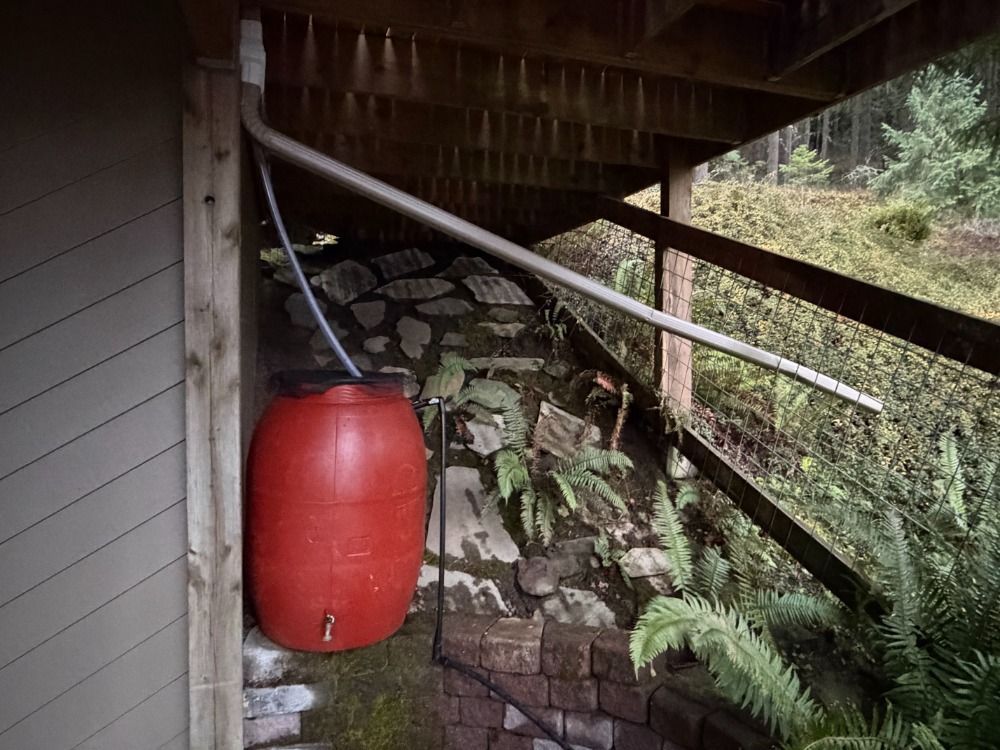
A full rain barrel can look like security during a power outage. But water that looks clear can still carry contamination from everything it touched on the way into the barrel. Bird droppings, windblown dirt, roofing materials, gutters, and the barrel itself all affect water quality. Collecting water is the first step. Making it suitable for drinking is a separate job. For emergency drinking water, three electricity-free purifiers deserve consideration: the LifeSaver Jerrycan, the MSR Guardian Pump Purifier, and the GRAYL GeoPress. Each offers protection against bacteria, viruses, and protozoa, according to manufacturer testing and specifications. They differ considerably in convenience, capacity, and chemical-treatment capabilities. First, understand what a purifier can—and cannot—do Many camping filters remove bacteria and protozoa but do not reliably remove viruses. Check the exact model’s performance claims and testing rather than relying on the word “filter.” Chemical contamination presents another problem. A device that removes germs may leave dissolved chemicals behind. Activated carbon can reduce certain contaminants, but its presence does not mean a purifier removes every chemical that could wash off your roof. CDC recommends testing rainwater used for drinking and choosing treatment that addresses the germs and chemicals actually present. Before relying on roof runoff, ask your local health department or an accredited drinking-water laboratory what to test for based on your roofing, gutters, and storage materials. No product in this article is a blanket guarantee that water from any roof is safe to drink. 1. LifeSaver Jerrycan: My first choice for household emergency use The LifeSaver Jerrycan makes sense when you need to collect water from a barrel and prepare drinking water for more than one person. It holds 18.5 liters, or approximately 4.9 gallons. You fill the container with untreated freshwater, operate the hand pump, and dispense water through its purification system. It requires no electricity. LifeSaver reports independent testing against NSF Protocol P248 for virus, bacteria, and protozoan cyst reduction. The manufacturer rates the 20,000-liter version for up to roughly 5,300 gallons, depending on water conditions and proper use. Its replaceable carbon stage can improve taste and reduce certain chemicals. However, that carbon stage has its own replacement requirements. The main membrane’s capacity does not establish how long the carbon remains effective. For a couple treating barrel water during an extended outage, this is the most practical starting point of these three. That recommendation assumes the source water has been evaluated for chemical hazards and the device addresses the identified risks. Manufacturer: https://iconlifesaver.com/products/lifesaver-jerrycan 2. MSR Guardian Pump Purifier: A durable, portable option The MSR Guardian Pump Purifier is suited to someone who wants one purifier for emergency use at home and for travel on foot. MSR states that it meets NSF Protocol P248 for removal of bacteria, viruses, and protozoa. It pumps approximately 2.5 liters per minute, and its cartridge is rated for more than 10,000 liters under appropriate conditions. A self-cleaning action helps maintain flow. Its most important limitation for roof runoff is explicit: MSR lists the Guardian as ineffective against chemicals and toxins. That makes it a strong choice for treating microbial contamination in water already established as chemically suitable. It is not a complete treatment solution for roof water with unknown chemical contamination. Manufacturer: https://cascadedesigns.com/products/guardian-purifier 3. GRAYL GeoPress: A portable backup for individual use The GRAYL GeoPress treats water by pressing an inner container through an outer container. Each batch produces approximately 24 ounces, or 710 milliliters. GRAYL reports testing to the EPA microbiological purifier guide standard, with reduction of bacteria, viruses, and protozoan cysts. Its cartridge combines electroadsorption media with activated carbon. The manufacturer rates each cartridge for approximately 350 presses, or 65 gallons. Dirty water can shorten useful life, and replacement is also required according to the manufacturer’s time and performance limits. The GeoPress is convenient for an emergency bag, vehicle kit, or individual backup. Small batches and a shorter cartridge life make it less convenient as the primary drinking-water system for two people over several months. Its carbon media provides additional treatment capabilities, but those claims still need to match the contaminants in your water. Do not interpret “contains carbon” as “handles every roofing chemical.” Manufacturer specifications: https://grayl.com/pages/geopress-tech-specs Improve the water before it reaches the purifier Keep gutters and collection equipment clean. Use a first-flush diverter to send the initial, dirtier runoff away from storage. Fit screens to keep debris and mosquitoes out, and keep the barrel covered. These steps reduce contamination; they do not make the water ready to drink. If water contains sediment, follow the purifier’s instructions for settling or prefiltering it. A cloth or sediment screen can remove visible particles, but it does not provide dependable disinfection. Keep untreated-water equipment separate from clean-water containers. Dispense treated water into a clean, covered drinking-water container, and protect the outlet from dirty hands, hoses, and splashes. Follow each manufacturer’s cleaning, storage, and cartridge-replacement instructions. What I would choose For household use, I would start with the LifeSaver Jerrycan. For a portable pump with a long cartridge life, I would consider the MSR Guardian. For a compact individual backup, I would choose the GRAYL GeoPress. But I would evaluate the roof and test the water before depending on any of them. Buying a purifier solves only the problems that particular purifier is designed to handle. A rain barrel gives you a water source. A suitable collection system, testing, treatment, and clean handling give you a plan for drinking it.  Sources CDC, Collecting Rainwater and Your Health: https://www.cdc.gov/drinking-water/about/collecting-rainwater-and-your-health-an-overview.html LifeSaver Jerrycan specifications and testing: https://iconlifesaver.com/products/lifesaver-jerrycan MSR Guardian Pump Purifier specifications: https://cascadedesigns.com/products/guardian-purifier GRAYL GeoPress specifications: https://grayl.com/pages/geopress-tech-specs Product capacities are manufacturer ratings, not guarantees for every water source. This comparison covers portable emergency equipment, not a professionally designed household rainwater drinking system.
Urban sewers and rural septic systems do not fail the same way.
By R.T. Fagan • October 27, 2026
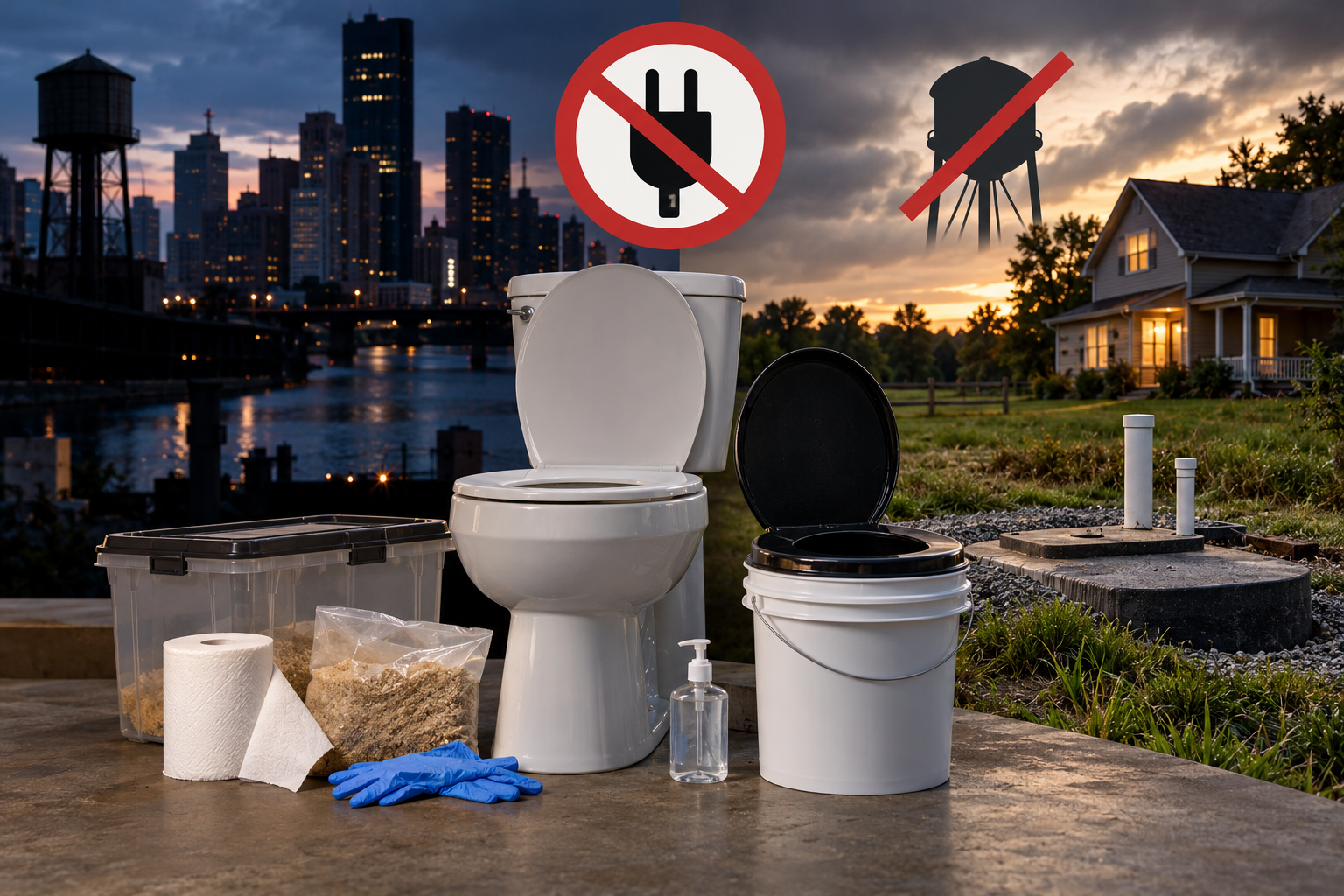
***NOTE: This article references King County Washington. Be sure to check with your county for specifics pertaining to your location. A toilet that flushes during the first few hours of a blackout can create a dangerous illusion: that the sanitation system is still working. It may be—for now. Many drinking-water systems need electric pumps to treat water, fill storage tanks, and maintain pressure. Wastewater systems may use gravity for part of the trip, but lift stations, pumps, controls, and treatment plants still require power. Utilities often have generators and stored fuel, so service may continue during a short outage. A prolonged grid failure is different. When pumps stop, water pressure can fall, sewage can back up, and untreated waste can be released into the environment. Rural households are not automatically protected. Some conventional septic systems are gravity-fed and can continue accepting wastewater without household electricity, although the tank and drainfield still have limited capacity. Other systems depend on grinder pumps, effluent pumps, lift pumps, timers, alarms, pressure distribution, aerators, or blowers. When those components lose power, wastewater may collect only until a pump chamber or reserve-storage space fills. A private well also needs electricity unless the property has a working backup method. The solution is not complicated, but it needs to be prepared before the bathroom becomes unusable. Do Not Wait for Sewage on the Floor. Stop or sharply reduce water use when: Local officials say water or sewer service is impaired. Water pressure drops or a boil-water advisory is issued. Toilets or sinks begin draining slowly. Drains gurgle or sewage odors appear. A floor drain starts rising or backing up. A septic alarm activates. A powered septic pump, blower, or control panel loses electricity. The drainfield is flooded or the surrounding soil is saturated. Do not keep flushing to see whether the problem clears. Every flush adds more wastewater to a system that may no longer be able to move or treat it. If sewage begins backing up, stop using sinks, showers, washing machines, and toilets. Keep people and pets away from contaminated areas. Avoid direct contact and follow local public-health instructions for cleanup. The Basic Household Solution: A Lined Emergency Toilet For most households, the safest short-term answer is to contain waste where the normal toilet is located or in a sturdy five-gallon bucket. You will need: A five-gallon bucket with a tight lid and, preferably, a snap-on toilet seat—or an existing toilet bowl. Two heavy-duty plastic garbage bags for each active setup. Absorbent material such as cat litter, sawdust, peat moss, or fireplace ash. Toilet paper. Waterproof disposable or reusable gloves. Soap, safe water, and paper towels for a nearby handwashing station. A rigid, lidded container for temporarily storing sealed waste bags. Using an existing toilet Turn off the water valve behind the toilet. Flush once to empty most of the water from the tank and bowl. Place one heavy-duty bag inside a second bag. Fit both bags beneath the seat so the seat holds them in place. Put a layer of absorbent material in the inner bag. Add a small amount of absorbent material after solid-waste use to control moisture and odor. Replace the inner bag before it becomes heavy or difficult to handle. Tie it securely without squeezing out air toward your face. Place the sealed bag inside the designated rigid storage container and install a fresh inner bag. Using a five-gallon bucket Use the same double-bag method. Add a fitted lid or emergency toilet seat, and place the bucket on a stable, level surface. Keep it away from food preparation and eating areas. Close the lid between uses to limit odors, insects, and accidental contact. Never allow a small child to use or approach a bucket toilet without adult supervision. An open bucket also presents a drowning hazard to toddlers. Separate Liquids When an Outage May Last Urine creates much of the volume, weight, and odor in a mixed-waste container. A two-container system can make a longer emergency easier to manage: Use one clearly marked bucket or container for urine only. Use a double-lined bucket for feces and toilet paper. Separating the two keeps the solid-waste bags lighter and allows absorbent material to work better. Keep both containers covered, stable, and clearly labeled. Never pour urine or wastewater into a storm drain, street gutter, stream, lake, wetland, or near a drinking-water source. Follow local emergency instructions for disposal; rules can differ by location and event. Urban and Apartment Sanitation An urban household normally has little safe space for digging, burying waste, or storing it outdoors. A latrine is not an appropriate city solution. The practical urban plan is containment, protected storage, and official disposal . 1. Stop adding water to a questionable sewer If officials report sewer trouble—or drains show signs of backup—stop flushing. Do not assume that having stored water means it is safe to pour that water into the toilet. The restriction may be on the sewer system, not the water supply. In a multifamily building, plumbing from upper floors can affect lower units. Residents should report slow drains, odors, or backups immediately. Building management should communicate whether the building has sewage ejector pumps, sump systems, or other equipment that has stopped. 2. Create one controlled toilet area Choose one bathroom if possible. Remove towels, rugs, toothbrushes, cosmetics, and other items that can become contaminated. Set up the lined toilet or bucket, handwashing water, soap, gloves, toilet paper, absorbent material, and replacement bags together. Keeping the operation in one location is safer than improvising in several rooms. 3. Store sealed waste safely Tie filled bags securely and place them inside a rigid container with a tight lid. Store it in a cool, protected location away from children, pets, food, and living areas. Do not leave thin bags where rodents or sharp objects can puncture them. Use municipal garbage collection only when local authorities specifically say bagged human waste may be placed in regular trash. Do not put it down a storm drain, into a dumpster without authorization, or into a sewer that has not been declared functional. 4. Work with the building or block In a prolonged outage, sanitation cannot remain entirely individual. Neighbors need a shared method for receiving official information, obtaining bags and absorbent material, identifying functioning facilities, and moving sealed waste to an approved collection point. The more densely people live, the faster an unmanaged sanitation problem affects everyone. Rural Sanitation: Septic First, Backup Toilet Second Rural households may have more space, but they also carry full responsibility for their wells, septic systems, and waste sites. Know what kind of septic system you own “We are on septic” is not enough information. You need to know how waste moves through your specific system. Conventional gravity-fed septic What happens without electricity: Wastewater can usually flow from the house to the tank and from the tank to a gravity drainfield without a pump. The system still has limited treatment and absorption capacity. Household response: Conserve water immediately. Watch for slow drains, gurgling, odors, surfacing sewage, or saturated soil. Switch to the emergency toilet if the system shows stress. Septic system with an effluent or lift pump What happens without electricity: Wastewater may continue entering the tank or pump chamber, but it cannot be moved to a raised, distant, or pressure-distribution drainfield. Available reserve storage begins filling. Household response: Minimize all water use and switch to a dry emergency toilet early. Follow the system designer's instructions for the breaker, alarm, backup power, and restart. Grinder-pump system What happens without electricity: A grinder pump cannot grind and push sewage to the next tank, pressure sewer, or disposal point without electricity. The home's holding capacity may be limited. Household response: Stop using connected toilets, showers, sinks, and appliances before the tank fills. Use the emergency toilet until power and the pump are restored. Aerobic or advanced treatment system What happens without electricity: Pumps, aerators, blowers, controls, disinfection equipment, or dosing timers may stop. The system may not treat or distribute wastewater as designed. Household response: Reduce wastewater immediately and use the emergency toilet. Follow the manufacturer's or service provider's outage and restart procedure. Some homes also have a sewage-ejector or grinder pump serving a basement bathroom even when the rest of the plumbing is gravity-fed. During an outage, do not use any fixture that depends on that pump. King County warns that continued flushing, dishwashing, showering, and laundry during an outage can fill the reserve capacity of a powered septic system and cause sewage to back up into the home. Do not experiment with the controls. Before an emergency, ask the system designer, installer, or maintenance provider: Which components require electricity? How much emergency storage exists? What should be switched off during an outage? Can the system be powered safely by a generator? What restart procedure is required after a long outage? If a generator is an approved option, the connection and operating procedure should be established in advance. Never operate a portable generator inside a house, garage, basement, shed, or other enclosed space. Protect the well and drainfield Do not place stored waste, a bucket-cleaning area, or a latrine near a well, spring, stream, pond, drainage ditch, or food garden. Do not use a latrine where the ground is flooded, saturated, or has a high water table. Sewage in saturated soil can move toward surface water or a drinking-water source. If flooding may have contaminated the well, do not drink from it until local health authorities say it is safe or it has been properly tested and disinfected. When is a latrine appropriate? An outdoor latrine is a last-resort rural option when bag storage or portable toilets are not workable, local emergency guidance allows it, and the site can protect groundwater and surface water. King County's emergency guidance, for example, says a latrine should be at least 100 feet from lakes, rivers, and streams and at least 100 feet downhill or away from a drinking-water source, home, apartment, or campsite. It also specifies a hole at least three feet deep with the bottom at least one foot above hardpan or the water table. Those are local guidelines, not universal permission. Soil, groundwater, property size, and local rules may make a latrine unsafe or illegal where you live. Do not construct one in an urban lot, near a private well, on a steep drainage path, in bedrock or shallow soil, or anywhere waste could reach water. Check with the local health department before relying on burial as a plan. Handwashing Is Part of the Toilet System An emergency toilet without a handwashing station is an incomplete solution. Place a water container with a controllable spigot beside the toilet area. Provide soap and disposable paper towels. The CDC recommends washing with soap and safe water for at least 20 seconds. Hand sanitizer containing at least 60 percent alcohol is useful when soap and water are unavailable, but it is less effective when hands are visibly dirty and does not eliminate every type of germ. Anyone handling sealed waste should: Wear waterproof gloves. Cover cuts or open wounds. Avoid touching the face. Wash hands with soap and safe water immediately afterward, including after removing gloves. Keep contaminated footwear and tools out of food and living areas. Use separate supplies for cleaning the toilet area. Do not use the same cloths, buckets, or gloves for dishes or food preparation. Build the Kit Before You Need It A practical household sanitation kit should include: Two five-gallon buckets with tight lids. One emergency toilet seat. Heavy-duty garbage bags sized for the buckets. A rigid lidded storage container. Cat litter, sawdust, peat moss, or another absorbent. Toilet paper and unscented wipes. Waterproof gloves in multiple sizes. Soap and at least 60-percent-alcohol hand sanitizer. A water jug with a spigot for handwashing. Paper towels. Household disinfectant used according to its label. Eye protection and rubber boots for sewage cleanup. Labels, a permanent marker, and ties for sealing bags. A printed copy of local public-health and utility emergency numbers. Store the supplies together and label the buckets before the outage. Make sure every adult in the household understands the plan. Include accommodations for children, older adults, and anyone with limited mobility. The Grid-Down Sanitation Rule The safest waste is the waste that never reaches your floor, yard, well, or stream.  Short outages are often covered by utility generators, stored water, and system capacity. Long outages consume those margins. Pay attention to official notices and the first warning signs inside the house. Reduce water use early. Switch to a contained emergency toilet before the sewer or septic system fails. Keep waste separate from food and water, and make handwashing part of every bathroom trip. Food and water may receive more attention in preparedness plans, but sanitation is what keeps those supplies from becoming contaminated. Sources and Further Reading Washington State Department of Health: Toilet Use During an Emergency King County, Washington: How to Create an Emergency Toilet King County, Washington: Septic Systems During and After a Power Outage CDC: Guidelines for Personal Hygiene During an Emergency CDC: Guidelines for Septic and Onsite Wastewater Systems CDC: Protecting Workers Handling Human Waste EPA: Power Resilience Guide for Water and Wastewater Utilities This article provides general emergency-preparedness information. Waste-disposal rules and approved methods vary by jurisdiction and emergency. Follow instructions from your local health department, water utility, sewer utility, and emergency-management agency.
Learn the safest ways to preserve venison without grid power, including pressure canning with fuel,
By R.T. Fagan • October 24, 2026
Learn the safest ways to preserve venison without grid power, including pressure canning with fuel, jerky, smoking, curing, ice and realistic emergency priorities.
When to leave, and what to take - Bugging Out?
By R.T. Fagan • October 19, 2026
Learn vital survival tips from the Keller family's grid failure experience. Prepare your emergency plan today!
What the Research Says about Grid Down 365 Days
By R.T. Fagan • October 14, 2026
Examine how a year without power could reshape communities. Understand resilience & prepare for emergencies. Read more!
Cook What Cannot Wait
By R.T. Fagan • October 12, 2026
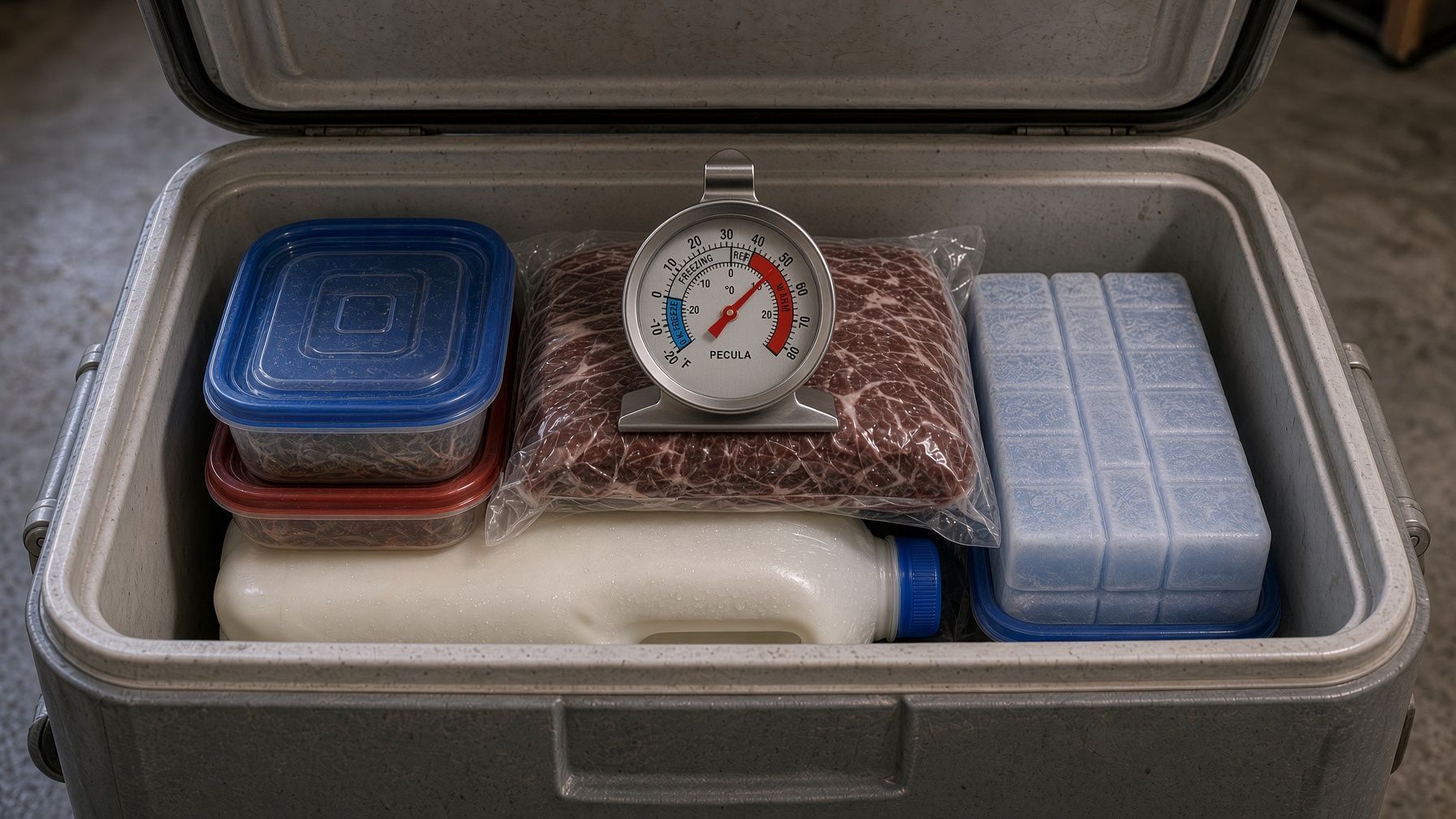
Manage perishable foods during outages with essential safety tips. Prepare now for emergencies!
Chicken coop.
By R.T. Fagan • October 5, 2026
Understand the challenges of raising chickens in urban areas. Learn about ordinances & responsibilities for responsible ownership.
Medicine after the Grid Falls: why plant skills matter, and how to start now.
By R.T. Fagan • October 5, 2026
Learn essential plant medicine & skills for health during power outages. Prepare your grid-down medical plan today!
More Posts