Plant Calories, Not a Photo of Dinner

A first-season garden for apartments, small lots, and ridge beds — what earns the square footage, what is just garnish, and a one-week test you can finish before you buy more pots.


R.T. Fagan

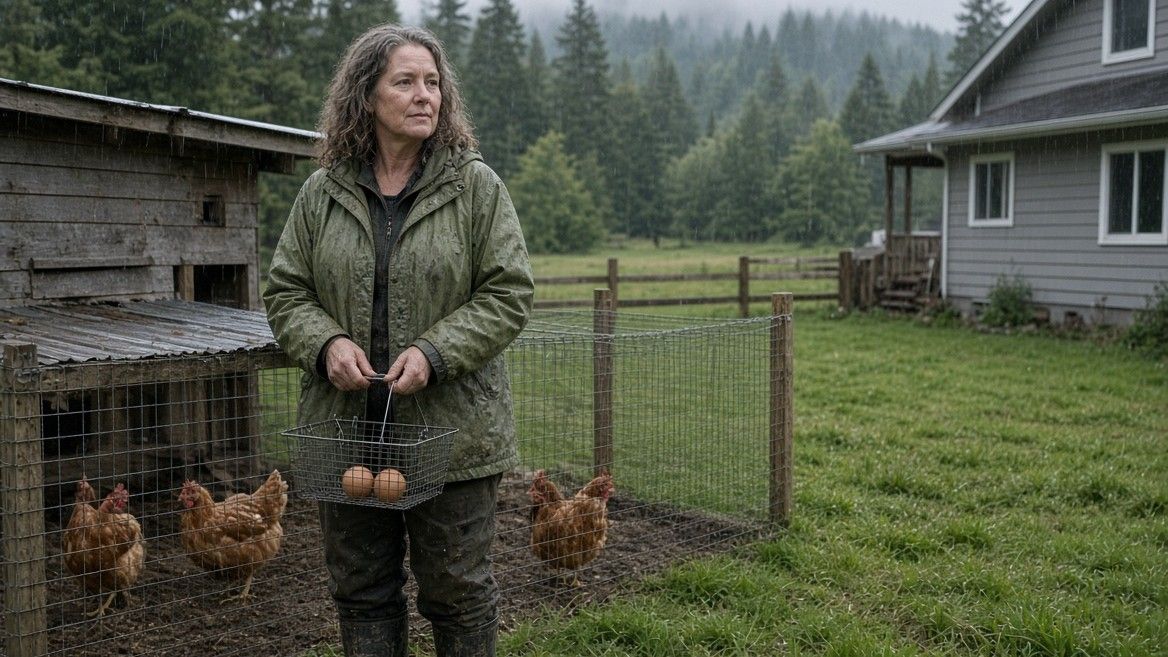
Woman gardening.

A garden that cannot name its job becomes a hobby with a watering can.


That is the usual failure. Someone buys soil and six kinds of tomato. July looks abundant. September is a counter full of fruit that will not keep. February is a seed catalog and the same empty bed. Under a long outage, that pattern is not quaint. It is a household that practiced garnish and called it food production.


This article has one job: get you from “we should grow food” to a patch, a pot, or a pair of containers that will pay calories or real meals this season. Not a homestead


Bottom line up front

Grow what fills and stores, in the sun you actually have, with water you can carry if the pump stops.


Potatoes, dry beans, and winter squash do the calorie work in a temperate bed. Greens and herbs do the vitamin and morale work. Tomatoes are worth a plant or two for sauce if you will preserve them. They are not a survival crop at 80 calories a pound.


If you only do one thing: this week, stand where the plants would live at 10 a.m. and again at 3 p.m. Write down the hours of real sun. Then plant one calorie crop and one quick crop in that light. Do not buy a greenhouse first.


What a garden can and cannot do

A household of four is eating on the order of 8,000 calories a day. No 4-by-8 bed is going to cover that. Treat the garden as a supplement and a skill: you learn soil, water, pests, and what your climate will give you before anyone needs it to matter.


Home garden studies of ordinary backyard plots often land near a pound and a half of produce per square foot across a mixed season. That number is pounds, not calories. Zucchini inflates the weight. Potatoes and dry beans inflate the energy. Lettuce inflates the salad bowl. If you plan as if all pounds were equal, you will starve on cucumbers.


A useful split:


  • Calorie backbone: potatoes, sweet potatoes where the season is long enough, dry beans, winter squash, maybe dent corn if you have the space to pollinate it.
  • Kitchen crop: onions, garlic, carrots, cabbage.
  • Vitamin and morale crop: kale, chard, lettuce in succession, herbs.
  • Preservation crop: tomatoes and peppers only if you will can, dry, or sauce them. Otherwise they are a summer habit.


On the Olympic Peninsula the constraint is not heat so much as light, slugs, and rain at the wrong time. In a Phoenix apartment the constraint is the opposite. The rule travels: plant for the season you live in, not the catalog photo.


Urban: containers, community plots, and honest light

If you rent a third-floor walk-up, your garden is a set of containers and whatever the lease and the balcony load will allow. Wet soil is heavy. An old deck does not care about your preparedness goals.


Pick two to four large pots, not twelve tiny ones you will forget. A five-gallon container will grow a potato planting or a determinate tomato. A window box will grow cut-and-come-again greens and herbs. A south-facing fire escape that actually gets sun beats a stylish pot in a dark kitchen.


HOAs and landlords kill more urban gardens than beetles. Read the rule before you buy cedar boxes. Some buildings ban rail planters. Some allow them and still complain about drips on the car below. Put saucers under pots. Do not start a fight you cannot win over basil.


Water is the quiet killer. If every gallon has to come up the stairs, design for that. Mulch the pot. Use larger containers so they dry slower. Collect shower-warmup water in a jug if the building will tolerate it. A garden that needs city pressure twice a day is a grid-tied garden.


Community plots are the other urban path. They come with theft, shared hose drama, and rules about what you may plant. They also come with ground. If that is the only soil you control, take the plot and plant potatoes along the fence line instead of a decorative border.


Rural: more ground, more things that eat your work

A ridge lot or a suburban back fence looks like abundance. It is also deer, voles, slugs, and a well pump.


Fence before you romanticize. A garden the deer treat as a salad bar is not a food system. On damp ground, raised beds help with drainage and slugs. They do not help if you fill them with bagged mix you cannot replace next year. Start mixing in your own compost as soon as you have scraps and leaves. Buy soil once if you must. Do not make bagged mix the permanent plan.


Water still decides it. A hose on a well is convenient until the power is out. Know how you water with a bucket, a rain barrel that is actually screened and legal, or a gravity setup you have tested. Do not invent a rain-catchment fantasy that dumps mosquito water onto a bed.


Plant in blocks, not single celebrity plants. A 10-by-10 of potatoes will teach you more about calories than a row of twelve tomato varieties. Leave room to walk. You will not weed what you cannot reach.


What to plant first, in order

If the bed is small, the order is not a matter of taste.


  1. One calorie crop you will eat. Potatoes in a grow bag or a trench if your summers are mild. Dry beans on a trellis if you have vertical space and a season long enough to dry the pods. Winter squash if you have a corner it can sprawl or a sturdy trellis.
  2. One fast crop for proof. Radishes, leaf lettuce, or bush beans for the pot. You need a harvest in weeks so the household believes the bed is real.
  3. Alliums. Garlic in fall where that is the rhythm. Onions from sets if you missed the fall window.
  4. Greens you will cut weekly. Kale and chard forgive more than people think, including cool summers.
  5. Tomato or pepper, capped. One or two plants if you will use them. Not six.


Skip corn until you have enough contiguous space for pollination and a plan for drying. Skip a fruit tree as your first act. Trees are a five-year conversation. This article is this season.


Seeds beat most seedlings for money and for the skill you are trying to own. Buy starts only for the crop you would otherwise miss entirely — a short-season tomato in a cool climate, for example.


Water, soil, and the boring work that decides the harvest

People want a secret variety. They need mulch and a watering rhythm.


Stick a finger in the soil. Water when the first knuckle is dry, not when you feel guilty. Morning is better than a late splash that sits on leaves overnight. In containers, water until it leaves the bottom, then stop creating a swamp in the saucer.


Soil is not a brand. It is drainage plus something living in it. If your ground is construction fill, grow in a bed you build on top. If your ground is decent, stop replacing it every spring. Add compost. Stop tilling it into dust.


Pests are a sequence, not a product aisle. Hand-pick slugs at night with a headlamp once before you buy a dozen traps. Net brassicas if cabbage moths own your zip code. Accept that you will lose some plants. A garden that requires perfect control is a garden you will abandon.


Preservation is part of the garden

A bumper of zucchini you cannot use is waste. Decide the exit before the plant flowers.


Potatoes and winter squash store in a cool, dark, ventilated place if you harvest them mature and do not pile the bruised ones with the good ones. Dry beans store in a jar once they are truly dry. Greens you eat or you blanch and freeze if you still have a freezer. Tomatoes you sauce and can with a process you follow, or you cook them down this week.


If you have no preservation method you trust, plant less of the crop that arrives all at once. Plant more of the crop that sits in a closet.


Mistakes and tradeoffs

The first mistake is planting the grocery aisle. You grow what you saw in a photo. You skip potatoes because they are ugly. You skip beans because they are not exciting. Then you wonder why the garden does not feel like food.


The second is scale pride. Twelve beds you cannot weed are worse than two you can. Start smaller than your ambition. Expand when last season’s ground is still producing.


The third is ignoring the household. A garden only you love dies when you work late. Give someone else a crop they requested. Let a kid own the radishes. Food production is a human system. So is a neglected row.


Tradeoffs: calorie crops are slower to brag about. Salad is faster and emptier. Containers are legal in more places and dry out faster. In-ground beds hold water and invite moles. Community gardens add ground and add politics.


Do not do this: start with a $400 automated watering rig before you have kept a pot of beans alive for six weeks. Do not do this: dump the whole seed vault into one weekend and call it a plan. Do not do this: count on a garden as your 30-day food supply while the bed is still bare dirt.


What to do this week

Walk the site at two times of day. Write the sun hours. Write the water source if the tap is quiet. Write the rule — lease, HOA, or none.


Then choose one:


  • Apartment: two containers. One potato bag or a pot of bush beans. One pot of cut greens or herbs you already cook with.
  • Small lot: one 4-by-4 or 4-by-8. Half calorie crop, a strip of greens, one tomato if you must.
  • Rural bed: the same split on a larger block, plus a decision on fence before you plant anything a deer can see from the tree line.


Buy only what that choice requires: soil or compost, seed or a start, and a way to water. Plant it before the weekend is over. Put a date on the calendar for the first harvest you expect.


When that harvest hits the pot, you have a path. Then you can read about fruit trees, greenhouses, and the rest. Not before.


A garden is not a personality. It is a patch that pays. Make it pay once this season, in the light you already have.


Preparedness is only the beginning. The Ridge Plan explores what happens when stored supplies are no longer enough—and ordinary neighbors must turn preparation into decisions, trust, and survival.
Mountain House Beef Potato Hash
By R.T. Fagan September 6, 2026
Serves 2 · ≈1,000 cal each Ingredients 2 servings Mountain House diced beef, rehydrated 3 cups rehydrated Augason Farms potato shreds or slices 4 Tbsp vegetable oil or olive oil ½ cup rehydrated Augason Farms spinach flakes ½ cup rehydrated diced carrots 5 garlic cloves, minced Smoked paprika, cumin, salt, black pepper Method Heat oil in a cast-iron skillet over the coals. Add potatoes in a single layer. Let them crisp before stirring. Add garlic, beef, carrots, and spices. Cook 5–6 minutes. Fold in spinach at the end so it wilts into the hash. Nutrition (full meal / per person) Calories: ≈2,010 / 1,005 Protein: ≈66 g / 33 g Carbs: ≈160 g / 80 g Fiber: ≈14 g / 7 g Significant vitamins/minerals: Protein, iron and zinc (beef), potassium (potatoes), vitamin A and C (carrots/spinach), calorie-dense oil More recipes and additional bonus material can be found at https://www.griddownfiction.com/bonus-material
Fire-Pot Ramen with Chicken, Egg & Broccoli
By R.T. Fagan September 5, 2026
Serves 2 · ≈1,000 cal each Ingredients 6 bricks Top Ramen (seasoning packets optional / use sparingly) 2 cans canned chicken, drained 2 servings powdered eggs, rehydrated and scrambled 4 Tbsp vegetable oil 1 cup rehydrated Augason Farms broccoli florets 4 garlic cloves, minced Broth if available, chili flakes, black pepper, optional soy sauce Method Cook ramen in a pot over the fire until just tender. Drain most of the water, leave a little. In a skillet, heat oil. Sauté garlic, then scramble the powdered eggs and set aside. Add chicken and broccoli to the oil. Heat through. Combine noodles, eggs, chicken, and broccoli. Toss with remaining oil. Season. Nutrition (full meal / per person) Calories: ≈2,030 / 1,015 Protein: ≈68 g / 34 g Carbs: ≈195 g / 98 g Fiber: ≈10 g / 5 g Significant vitamins/minerals: Protein from chicken and eggs, vitamin C and K (broccoli), B-vitamins (noodles), fats from oil for calorie density More recipes and additional bonus material can be found at Https://www.griddownfiction.com/bonus-material
Creamed Corn Chicken & Rice Skillet
By R.T. Fagan September 4, 2026
Serves 2 · ≈1,000 cal each Ingredients 2 cans canned chicken, drained 3 cups cooked brown or white rice 1 can cream corn 4 Tbsp extra-virgin olive oil or vegetable oil ½ cup rehydrated Augason Farms broccoli florets 4 garlic cloves, minced Salt, black pepper, paprika, dried thyme Method Heat oil in a large skillet over the fire. Sauté garlic 30 seconds. Add chicken and broccoli. Cook 2 minutes. Stir in cream corn and rice. Simmer until thick, creamy, and hot. Adjust seasoning. Nutrition (full meal / per person) Calories: ≈2,000 / 1,000 Protein: ≈70 g / 35 g Carbs: ≈180 g / 90 g Fiber: ≈12 g / 6 g Significant vitamins/minerals: High protein and niacin (chicken), vitamin C (broccoli), B-vitamins (rice), vitamin A (corn), calorie-dense oil 
Black Bean Burger Skillet with Corn & Potatoes
By R.T. Fagan September 3, 2026
Serves 2 · ≈1,000 cal each Ingredients 2 servings Augason Farms black bean burger (prepared per package) 2 cups cooked or rehydrated Augason Farms potato slices or shreds 1 cup kernel corn or cream corn 4 Tbsp extra-virgin olive oil or vegetable oil ¼ cup Augason Farms cheese blend powder ½ cup rehydrated spinach flakes (optional) 4 garlic cloves, cumin, smoked paprika, chili powder, salt Method Heat oil in a cast-iron skillet over medium coals. Brown the black bean burger mix, breaking it into crumbles. Add garlic, spices, potatoes, and corn. Cook 6–8 minutes, stirring so the potatoes crisp on the edges. Sprinkle cheese powder and fold in spinach. Heat until the cheese melts into the skillet. Nutrition (full meal / per person) Calories: ≈2,000 / 1,000 Protein: ≈58 g / 29 g Carbs: ≈200 g / 100 g Fiber: ≈28 g / 14 g Significant vitamins/minerals: High fiber and folate (black beans), potassium (potatoes), vitamin A (corn/spinach), calcium (cheese powder), healthy fats from oil More recipes and additional bonus material can be found at https://www.griddownfiction.com/bonus-material
Baked Bean, Green Bean & Chicken Garlic Skillet
By R.T. Fagan September 1, 2026
Serves 2 · ≈1,000 cal each Ingredients 2 cans baked beans 1–2 cans canned chicken, drained 1 can cut green beans, drained 4 Tbsp extra-virgin olive oil 5 garlic cloves, minced 1 cup cooked rice (optional stretcher if you want extra bulk) Smoked paprika, black pepper, chili flakes, salt Method Heat olive oil in a deep skillet or Dutch oven over the fire. Sauté garlic 30 seconds. Add chicken and green beans. Heat 2 minutes. Stir in baked beans. Simmer until thick and bubbling. Fold in rice if using. Taste and add heat.  Nutrition (full meal / per person) Calories: ≈2,000 / 1,000 Protein: ≈72 g / 36 g Carbs: ≈175 g / 88 g Fiber: ≈24 g / 12 g Significant vitamins/minerals: High fiber (baked beans), protein (chicken + beans), vitamin K and C (green beans), lycopene if sauce is tomato-based, healthy fats from olive oil More recipes and additional bonus material can be found at https://www.griddownfiction.com/bonus-material
minced Clam Garlic Tomato Pasta
By R.T. Fagan September 1, 2026
Serves 2 · ≈1,000 cal each Ingredients 12 oz dry pasta 2 cans minced clams, drained (reserve a little liquid) 1½ cups tomato sauce or tomato chunks & garlic 5 Tbsp extra-virgin olive oil 1 cup rehydrated Augason Farms spinach flakes or broccoli 6 garlic cloves, minced Salt, black pepper, red pepper flakes, dried oregano Method Boil pasta in salted water over the fire. Drain, save ½ cup pasta water. In a skillet, heat olive oil. Sauté garlic 30 seconds. Add tomato sauce, clams, reserved clam liquid, and greens. Simmer 3–4 minutes. Toss in pasta and a splash of pasta water until glossy. Season well. Nutrition (full meal / per person) Calories: ≈2,010 / 1,005 Protein: ≈64 g / 32 g Carbs: ≈185 g / 92 g Fiber: ≈16 g / 8 g Significant vitamins/minerals: Iron, B12 and selenium (clams), lycopene and vitamin A (tomato), vitamin K/C (greens), monounsaturated fats and vitamin E (olive oil) More recipes and additional bonus material can be found at https://www.griddownfiction.com/bonus-material
Pulled Pork Pineapple Fried Rice
By R.T. Fagan September 1, 2026
Serves 2 · ≈1,000 cal each Ingredients 2 cans pulled pork, drained 4 cups cooked jasmine or long-grain rice (day-old best) 1 can pineapple chunks, drained (reserve 2 Tbsp juice) 5 Tbsp coconut oil or vegetable oil 1 cup rehydrated Augason Farms diced carrots or veg medley 6 garlic cloves, minced Salt, black pepper, chili flakes, optional soy sauce Method Heat 3 Tbsp oil in a wok or cast-iron skillet over the open fire. Add garlic and flash-fry 20 seconds. Add rice and break up clumps. Fry 3–4 minutes until it picks up color. Stir in pulled pork, pineapple, reserved juice, and vegetables. Add remaining oil. Cook until hot and slightly caramelized. Season hard. Nutrition (full meal / per person) Calories: ≈2,020 / 1,010 Protein: ≈62 g / 31 g Carbs: ≈190 g / 95 g Fiber: ≈12 g / 6 g Significant vitamins/minerals: Vitamin C (pineapple/carrots), B-vitamins and iron (pork + rice), vitamin A (carrots), calorie-dense fats from oil More recipes and additional bonus material can be found at https://www.griddownfiction.com/bonus-material
Black cast-iron pot of bubbling stew over an open flame with a golden crust on top
By R.T. Fagan August 21, 2026
Serves 2 · ≈1,000 cal each Ingredients 2 cans chili con carne with beans 1 box or package corn bread mix (prepared with water + 2 Tbsp vegetable or olive oil) 3 Tbsp extra-virgin olive oil 1 cup rehydrated kernel corn 4 garlic cloves, extra chili powder, cumin, salt Method Heat olive oil in a Dutch oven or deep cast-iron skillet over the open fire. Sauté garlic. Add chili + corn; simmer 5 minutes. Prepare cornbread batter (add oil for richness). Pour batter over the chili. Cover tightly and cook over low coals or with coals on the lid until the cornbread is set and golden.  Nutrition (full meal / per person) Calories: ≈2,020 / 1,010 Protein: ≈55 g / 27 g Carbs: ≈230 g / 115 g Fiber: ≈25 g / 12 g Significant vitamins/minerals: High fiber & protein (chili/beans), vitamin A & lycopene, healthy fats (olive + vegetable oil), iron
A pot of bubbling fruit dessert cooking over an open campfire, with steam rising and flames below.
By R.T. Fagan August 21, 2026
Serves 2 · ≈1,000 cal each Ingredients 3 cups dry oatmeal 4 Tbsp peanut butter 3 Tbsp coconut oil ½ cup raisins + ½ cup rehydrated Augason Farms mixed fruit / blueberries / sliced apples 2 Tbsp honey or maple syrup Pinch salt, cinnamon, optional powdered milk for creaminess Method Cook oatmeal in water (or reconstituted milk) in a pot over the open fire until thick. Stir in coconut oil and peanut butter until melted and creamy. Fold in fruit and raisins. Sweeten and spice. Serve hot from the fire.  Nutrition (full meal / per person) Calories: ≈2,000 / 1,000 Protein: ≈50 g / 25 g Carbs: ≈220 g / 110 g Fiber: ≈28 g / 14 g Significant vitamins/minerals: High healthy fats & vitamin E (peanut butter + coconut), potassium & antioxidants (fruit/raisins), sustained energy from complex carbs + soluble fiber
Black cast-iron pot simmering over flames, filled with dark stew and chunks of vegetables.
By R.T. Fagan August 21, 2026
Serves 2 · ≈1,000 cal each Ingredients 1 cup dry Clear Creek red lentils 1 can (or 2 cups) black beans 1–2 servings Mountain House diced beef (rehydrated) 4 Tbsp coconut oil 1 cup rehydrated Augason Farms potato shreds or slices ½ cup rehydrated spinach or veg medley 5 garlic cloves, cumin, smoked paprika, bay leaf, salt, chili Method Simmer lentils in water/broth over the fire until soft (15–20 min). In the same pot melt coconut oil; add garlic + spices. Stir in beef, black beans, potatoes, and greens. Simmer 5 more minutes until thick and bubbling over the flames.  Nutrition (full meal / per person) Calories: ≈2,010 / 1,005 Protein: ≈78 g / 39 g Carbs: ≈175 g / 87 g Fiber: ≈35 g / 17 g Significant vitamins/minerals: Extremely high fiber & iron (lentils + beans), vitamin A & C (greens), MCTs (coconut oil), zinc & B-vitamins